
Your Tile Roof's Hidden Weakness: Why Underlayment Fails in the Phoenix Sun
Tile roofs are an iconic part of the Phoenix landscape, known for their beauty, durability, and ability to withstand our unique climate. They look tough, and for the most part, they are. But what many homeowners don't realize is that the real protector of their home isn't the tile itself—it's the hidden layer beneath it: the underlayment. This unseen barrier is your home's primary defense against water intrusion, and in the Valley of the Sun, it's fighting a losing battle against our most formidable opponent: the relentless sun. Understanding why this critical component fails is the key to preventing costly leaks and extending the life of your entire roofing system.
What is Roof Underlayment and Why Does It Matter?
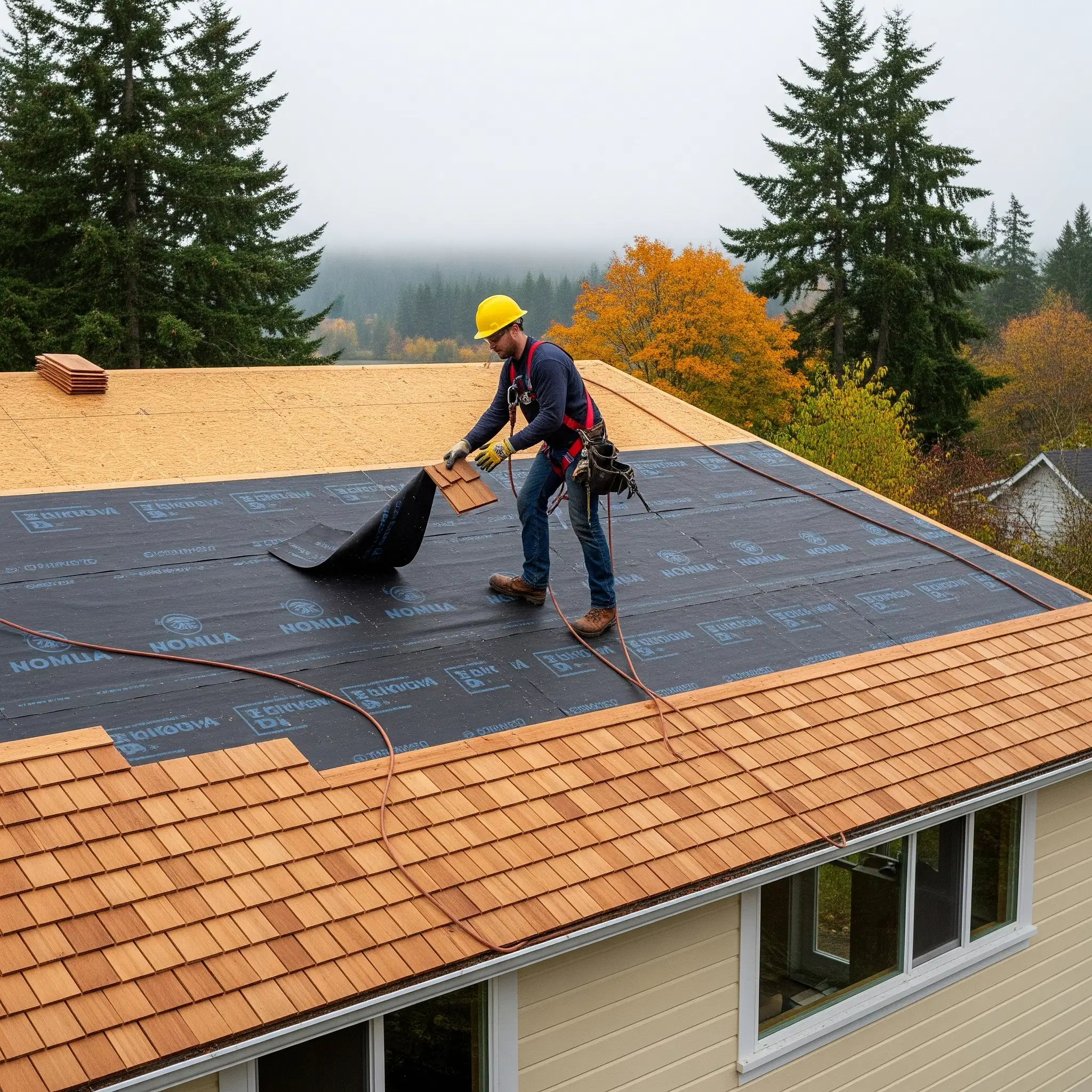
Think of your roof tiles as a suit of armor. They deflect the big things—debris, hail, and the initial force of a monsoon downpour. The underlayment, however, is the waterproof lining underneath that armor. It's a water-resistant or waterproof membrane installed directly onto your roof deck, and its job is to catch any moisture that inevitably finds its way past the tiles. Without a healthy underlayment, water can seep into your roof structure, attic, and ceilings, leading to rot, mold, and significant structural damage.
Traditionally, many older homes were built using asphalt-saturated felt paper. While effective for a time, this material has a finite lifespan, especially when exposed to the extreme conditions we experience here in Arizona. The integrity of this layer is everything when it comes to keeping your home dry and safe.
The Primary Culprit: Intense Sun Damage and Dry Heat
The single greatest threat to your roof's underlayment is our abundant sunshine. The same sun that we enjoy year-round is constantly bombarding your roof with intense ultraviolet (UV) radiation and extreme heat.
Here’s how it breaks down your underlayment:
- UV Radiation: Over years, UV rays bake the oils out of traditional asphalt felt. This process causes the material to become extremely brittle and fragile. Instead of a flexible, water-shedding sheet, it turns into something that can crack, crumble, or tear with the slightest pressure or temperature change.
- Extreme Heat Cycles: The roof of a Phoenix home can reach temperatures exceeding 170°F in the summer. This intense heat accelerates the degradation process started by UV rays. The constant cycle of heating up during the day and cooling down at night causes the brittle material to expand and contract, leading to the formation of cracks and gaps.
Once the underlayment is compromised, it no longer functions as a reliable water barrier. A single cracked or slipped tile, which might have been a minor issue before, now becomes a direct entry point for water during the next monsoon storm.
Warning Signs: How to Tell if Your Underlayment is Failing
Because the underlayment is hidden, its failure isn't always obvious until it's too late. However, there are several warning signs you can look for that suggest your roof's hidden defense is compromised:
- Leaks or Water Stains: The most obvious sign is evidence of water inside your home. Check your ceilings and attic spaces for discoloration, water spots, or a musty smell, especially after a rainstorm.
- Brittle Debris in Gutters: When you clean your gutters, look for small, black, asphalt-like pieces. This is often bits of your old, crumbling felt underlayment that have broken off and washed down the roof.
- Slipped or Cracked Tiles: While tiles can break for various reasons, it can sometimes indicate issues with the fasteners or the underlying structure, which is often related to moisture affecting the roof deck due to failed underlayment.
- Your Roof's Age: If your tile roof is over 15-20 years old and you don't have records of the underlayment being replaced, it's highly probable that it is nearing or past the end of its effective lifespan. The tiles may last 50 years or more, but the underlayment simply won't.
A proactive roof inspection is the only way to know for sure. A professional can lift sections of tile to directly assess the condition of the underlayment before a small problem becomes a major disaster.
The Modern Solution: Investing in a Durable Future
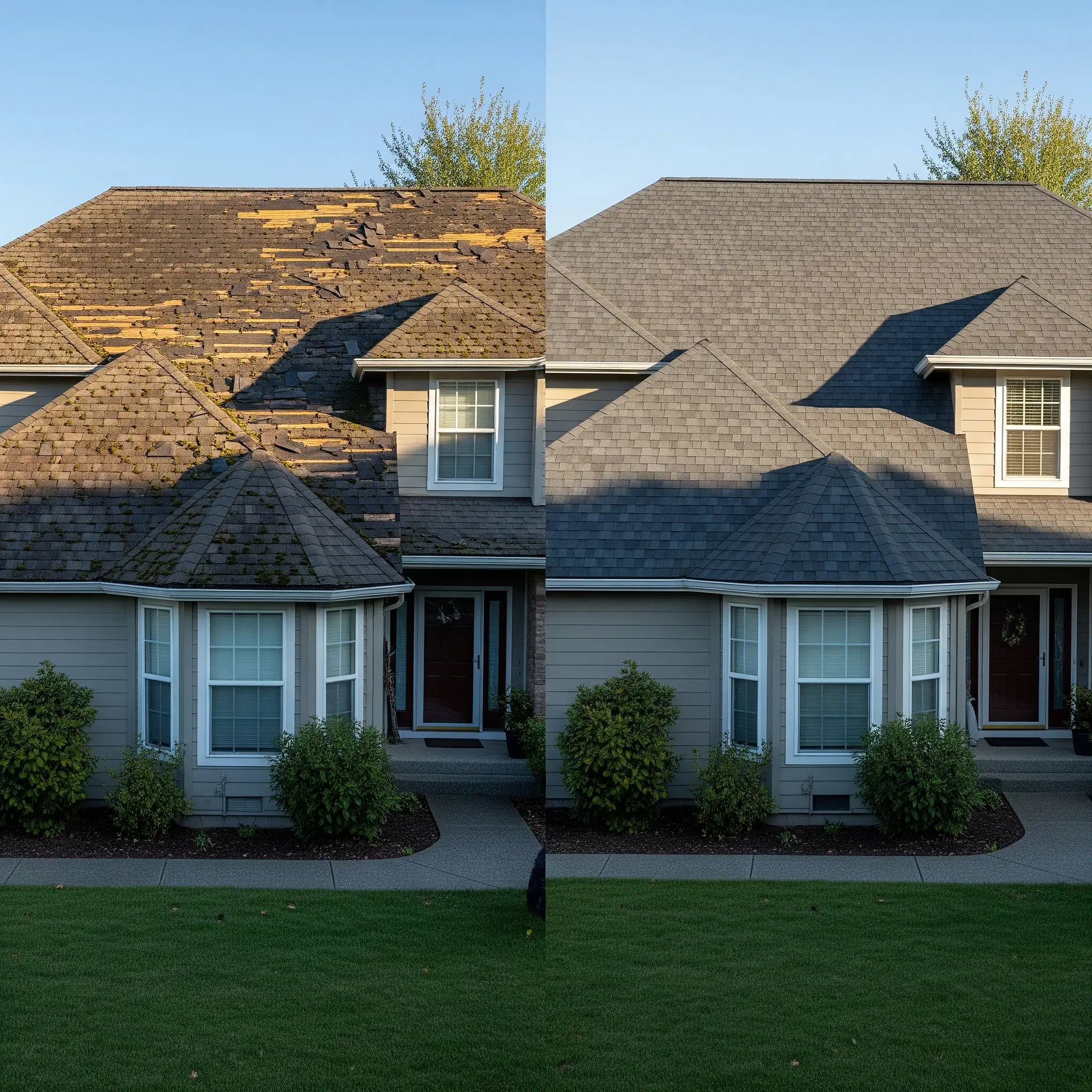
Fortunately, roofing technology has advanced significantly. The solution to failing felt paper is to replace it with a modern synthetic underlayment. These advanced materials are specifically engineered to withstand harsh climates like ours.
Benefits of synthetic underlayment include:
- Superior Heat and UV Resistance: They are far more stable and resistant to breaking down under the sun.
- Increased Strength: They are incredibly tear-resistant, providing better protection during installation and against high winds.
- Enhanced Water Barrier: Synthetics are inherently more waterproof and provide a more reliable seal for your home.
- Longevity: A high-quality synthetic underlayment can last for decades, often matching the lifespan of the tiles themselves.
Replacing your underlayment is a significant part of a residential roofing project, but it's a crucial investment in the long-term health and protection of your home. It's not just a repair; it's an upgrade that provides lasting peace of mind.
Protect Your Investment with a Professional Assessment
Your tile roof is a valuable asset, but its strength is only as good as its weakest link—the underlayment. Given the intensity of the Arizona climate, it's not a matter of if your old felt underlayment will fail, but when. Don't wait for the tell-tale signs of a leak during the next monsoon season to take action.
If your tile roof is over 15 years old or you've noticed any of the warning signs, it's time to get a clear picture of what's happening beneath the surface. The team at Sunset Valley Roofing specializes in the unique challenges of roofing in Phoenix. We can provide a thorough roof inspection to assess the health of your underlayment and recommend the best course of action, whether it's a targeted roof repair or a full underlayment replacement. Contact us today to schedule your inspection and ensure your home is protected for years to come.