
Your Roof vs. the Arizona Sun: How Extreme Heat Impacts Longevity
Living in the Valley of the Sun has its perks, but the same sunshine we love can be relentless on our homes. The intense, dry heat and powerful UV rays are a constant stress test for the most critical part of your home's defense: the roof. While many homeowners know the sun is tough, they often underestimate the specific ways it silently degrades roofing materials, leading to costly repairs and premature replacements. Understanding how our Phoenix climate affects your roof is the first step in protecting your investment and ensuring your home stays safe and secure for years to come. At Sunset Valley Roofing, we believe an informed homeowner is an empowered one, and we're here to shed some light on what's happening above your head.
The Invisible Attack: UV Radiation and Material Breakdown
One of the most significant factors shortening a roof's lifespan in Arizona is constant exposure to ultraviolet (UV) radiation. Think of it as a persistent, slow-motion sunburn for your roof. This invisible force is incredibly effective at breaking down the chemical bonds in roofing materials.
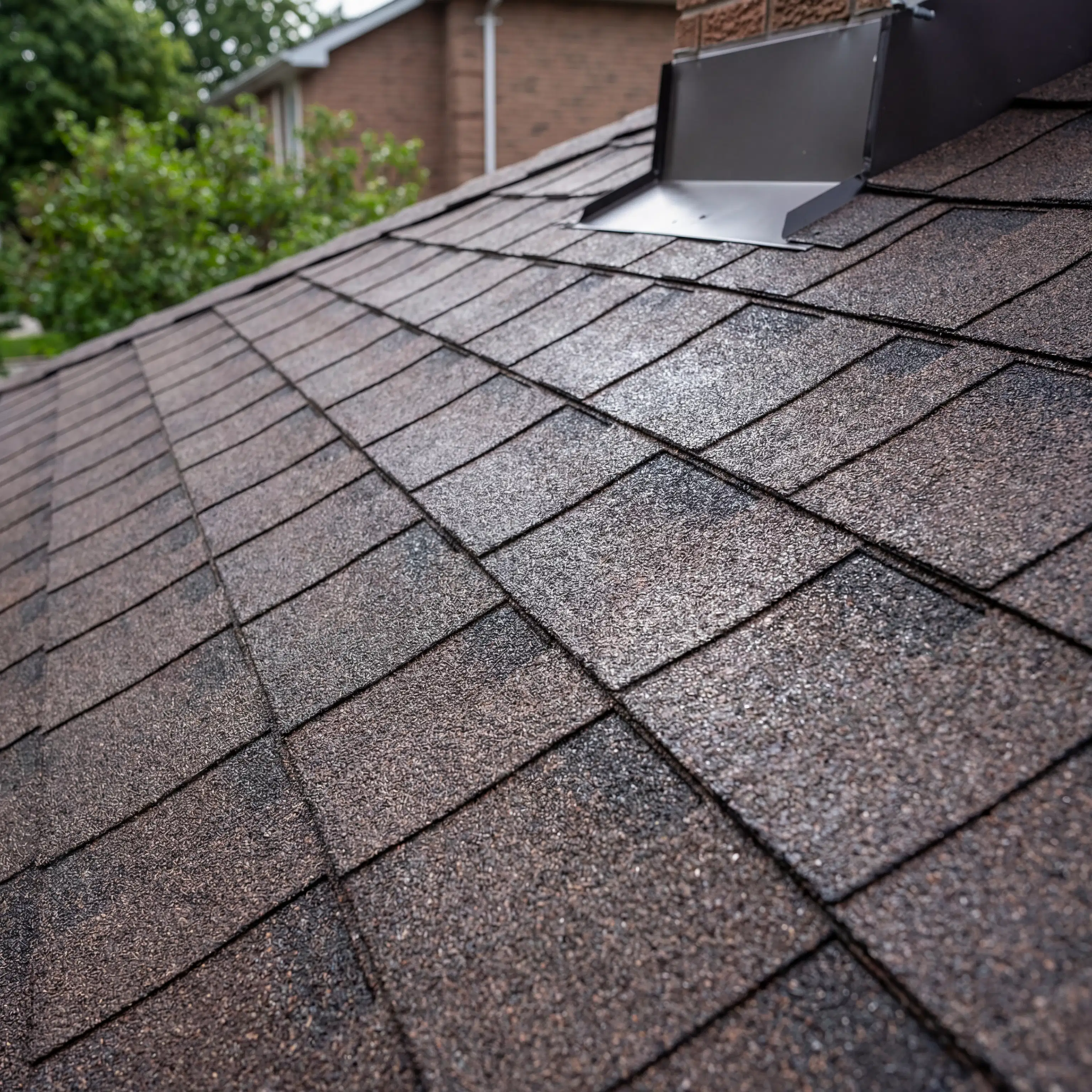
For asphalt shingles, the most common residential roofing material, UV rays dry out the vital oils that keep them flexible and waterproof. Over time, this leads to:
- Brittleness and Cracking: Shingles lose their pliability, becoming brittle and developing hairline cracks. These small fissures are entry points for water, especially during monsoon season.
- Granule Loss: The protective mineral granules on the surface of shingles are loosened by UV degradation. You might see these granules collecting in your gutters. This exposes the underlying asphalt to even more direct sun damage, accelerating the aging process.
Even a durable tile roof isn't immune. While the tiles themselves are resilient, the underlayment beneath them is vulnerable. The intense heat can bake the underlayment, causing it to become brittle and crack, compromising your roof's primary water barrier.
Thermal Shock: The Daily Cycle of Expansion and Contraction
Phoenix is known for its dramatic temperature swings. A rooftop can bake at over 150°F during a summer afternoon and cool down by 40-50 degrees after sunset. This daily cycle causes roofing materials to expand with the heat and contract as they cool—a phenomenon known as thermal shock.
This constant movement, day after day, puts immense stress on the entire roofing system. It can cause:
- Seals to Weaken: The sealants around vents, flashing, and skylights can harden and pull away from their surfaces, creating gaps where water can easily penetrate.
- Fasteners to Loosen: The expansion and contraction can slowly work nails and fasteners loose, reducing the roof's wind resistance and creating potential leak points.
- Cracks in Materials: Over time, the stress can lead to cracks not just in shingles but also in tiles and flat roofing membranes. What starts as a microscopic fracture can grow into a significant problem that threatens the integrity of your roof deck.
Your Best Defense: Proactive Inspections and Climate-Appropriate Materials
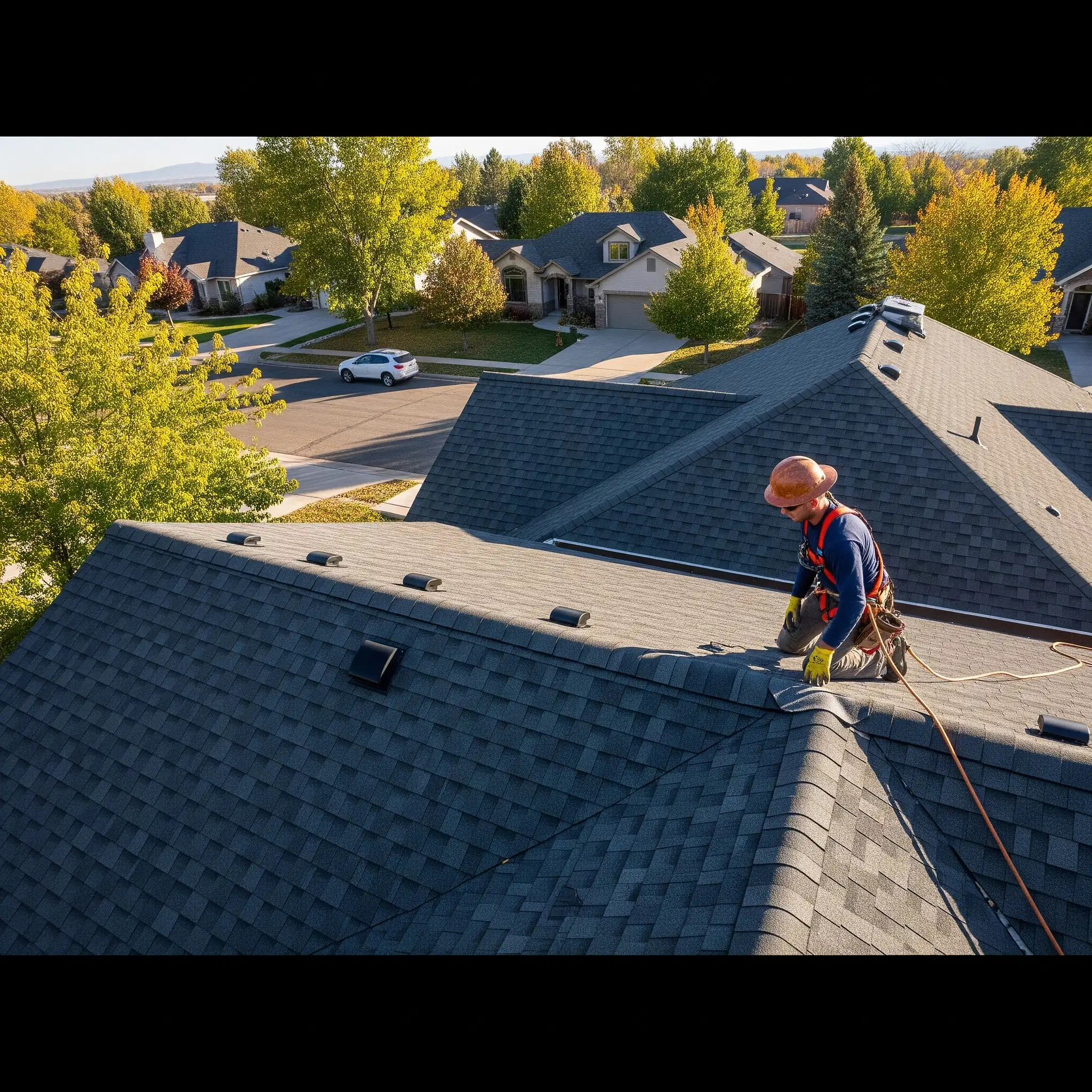
So, how do you protect your roof from the harsh Arizona climate? The solution is a two-part strategy: proactive maintenance and choosing the right materials from the start. The single most effective way to extend your roof's life is through regular, professional evaluations. A thorough roof inspection can identify early signs of sun damage, thermal shock, and material fatigue before they escalate into major leaks or structural issues. Catching a small problem early often means a simple roof repair can prevent a full replacement down the road.
When it is time for a new roof, selecting materials designed for our environment is crucial. This is where modern roofing technology shines. Options like reflective 'cool roof' shingles or coatings can lower your roof's surface temperature significantly, reducing thermal shock and lowering your energy bills. Properly installed tile and metal roofing systems also offer excellent longevity and heat resistance. Our team specializes in residential roofing solutions tailored specifically to withstand the challenges of our unique climate, ensuring you get a roof that’s built to last.
Protect Your Home with Expert Local Care
The Arizona sun is a powerful force, but it doesn't have to win the battle against your roof. By understanding the threats of UV degradation and thermal shock, and by being proactive with maintenance, you can significantly extend the life of your roofing system. Don't wait for a monsoon downpour to reveal a hidden problem that's been developing for years.
If you have concerns about your roof's condition or want to explore heat-resistant options, the experts at Sunset Valley Roofing are here to help. We provide honest assessments and quality craftsmanship for homeowners throughout the Phoenix area. Contact us today to schedule a free, no-obligation roof inspection and give your home the protection it deserves.