Upgrading Roof Ventilation to Reduce Household Cooling Costs
If you live in the Valley of the Sun, you already know that keeping your home cool during our intense triple-digit summers can feel like an endless battle. When your air conditioning unit is running non-stop from May through October, the resulting energy bills can take a massive toll on your household budget. While many homeowners immediately look to upgrade their HVAC systems or install new windows to improve efficiency, one of the most effective and frequently overlooked solutions sits right above your head: your roof.
Your roof is your home's primary shield against the relentless AZ sun, but it can only do its job effectively if it can breathe. Proper roof ventilation is critical for regulating temperature, extending the life of your roofing materials, and maintaining a comfortable indoor environment. When ventilation is inadequate, the trapped heat can cause a domino effect of expensive problems. In this guide, we will explore how proper ventilation works, the warning signs that your current system is failing, and how strategic upgrades can lead to significant energy savings.
The Hidden Danger of Attic Heat Buildup
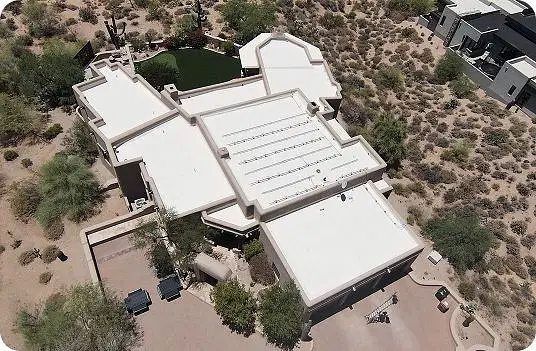
During a typical summer afternoon, outside temperatures easily climb above 110 degrees. If your attic lacks proper airflow, the temperature inside that enclosed space can skyrocket to 150 degrees or more. This massive pocket of trapped superheated air doesn't just stay in the attic; it radiates downward through your ceiling and into your living spaces. Consequently, your air conditioning system is forced to work overtime to fight off this constant intrusion of heat, drastically increasing your monthly cooling costs.
Preventing heat buildup under the roof deck is essential for managing your home's overall thermal envelope. But how do you know if your attic is suffocating? There are several clear signs of poor roof ventilation in extreme heat that every homeowner should watch for. You might notice that certain rooms in your house are always warmer than others, no matter how low you set the thermostat. You may also see premature aging on your roof itself, such as warped shingles or cracked tiles. Indoors, unexpectedly high utility bills and an air conditioner that cycles on and off constantly are massive red flags. If left unchecked, this excessive heat can literally bake the materials beneath your tiles, accelerating underlayment failure—one of the leading causes of roof leaks in our region.
Exploring Ventilation Options for Hot Climates
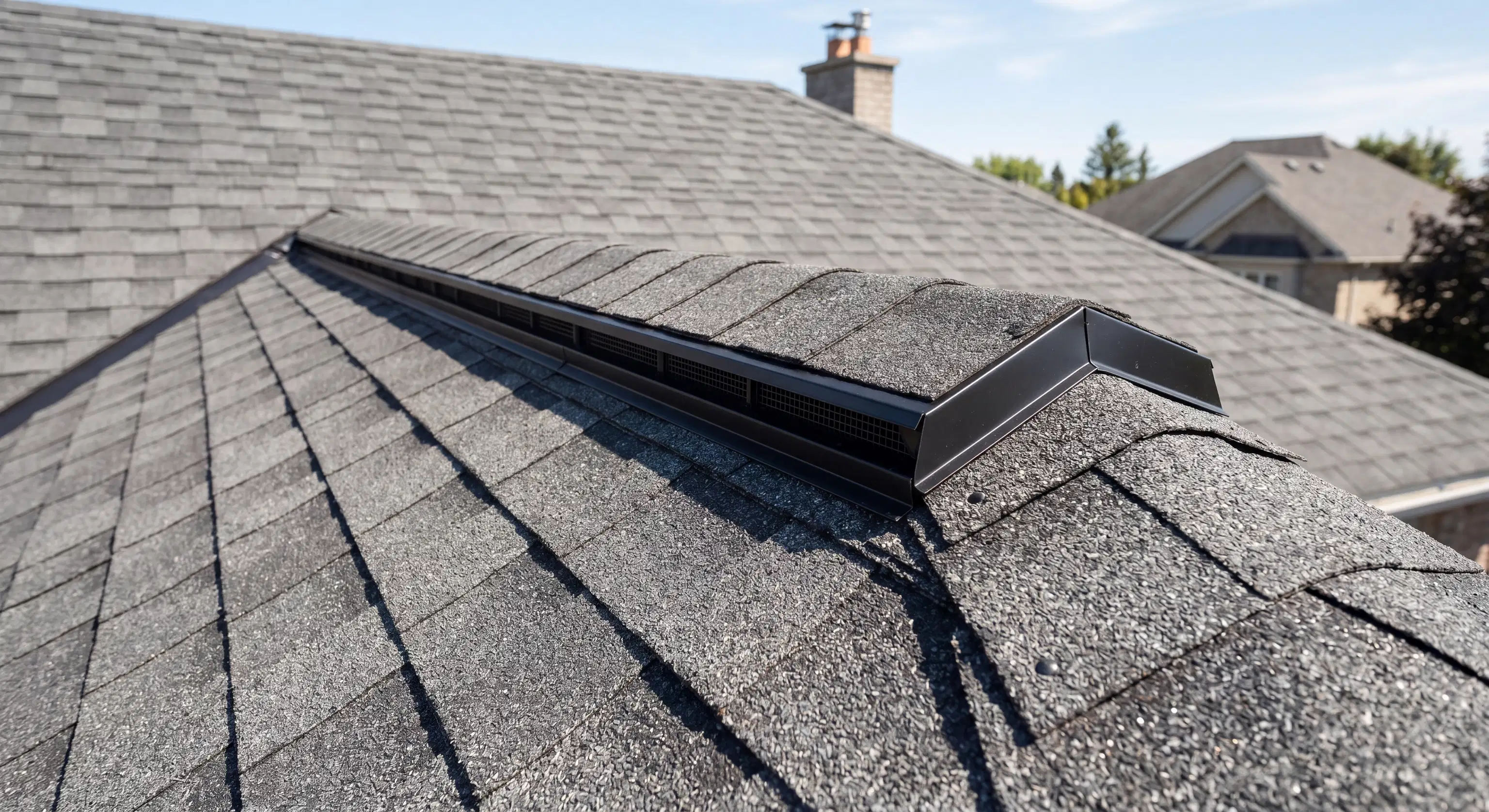
Improving attic ventilation to lower cooling bills involves creating a balanced system of intake and exhaust. Intake vents, typically located at the soffits or eaves, pull fresh, cooler air into the attic. Exhaust vents, located near the peak of the roof, allow the hot, buoyant air to escape. When this system is balanced, it creates a continuous flow of air that flushes out extreme heat.
When choosing the right system for your home, homeowners often find themselves comparing ridge vent vs turbine vent efficiency for hot climates.
- Turbine Vents: Often called "whirlybirds," turbine vents use the natural force of the wind to pull hot air out of the attic. While they can move a significant volume of air when the wind is blowing, they rely entirely on weather conditions. On a stagnant, windless 115-degree afternoon, they may not provide the necessary exhaust capability.
- Ridge Vents: These are installed along the very peak of your roof and provide continuous exhaust ventilation. Because they are positioned at the highest point, they take full advantage of the natural fact that hot air rises. They are highly efficient, blend seamlessly into the roofline for better curb appeal, and are generally the preferred choice for modern residential roofing systems in desert environments.
Beyond traditional venting, our industry is seeing a massive shift toward energy-efficient cool roof technologies. Pairing optimal ventilation with thermal-reflective materials can dramatically lower the temperature of your roof deck, creating a comprehensive defense against the summer heat.
Timing Your Upgrades and Inspections
While reducing your cooling costs is a major benefit of upgrading your ventilation, it's also a critical step in overall roof maintenance. We always advise homeowners not to wait until there is an active problem to evaluate their roof's health. The time to assess your ventilation and structural integrity is well before monsoon season arrives with its violent winds and torrential downpours. A roof weakened by months of trapped, intense heat is far more susceptible to severe storm damage.
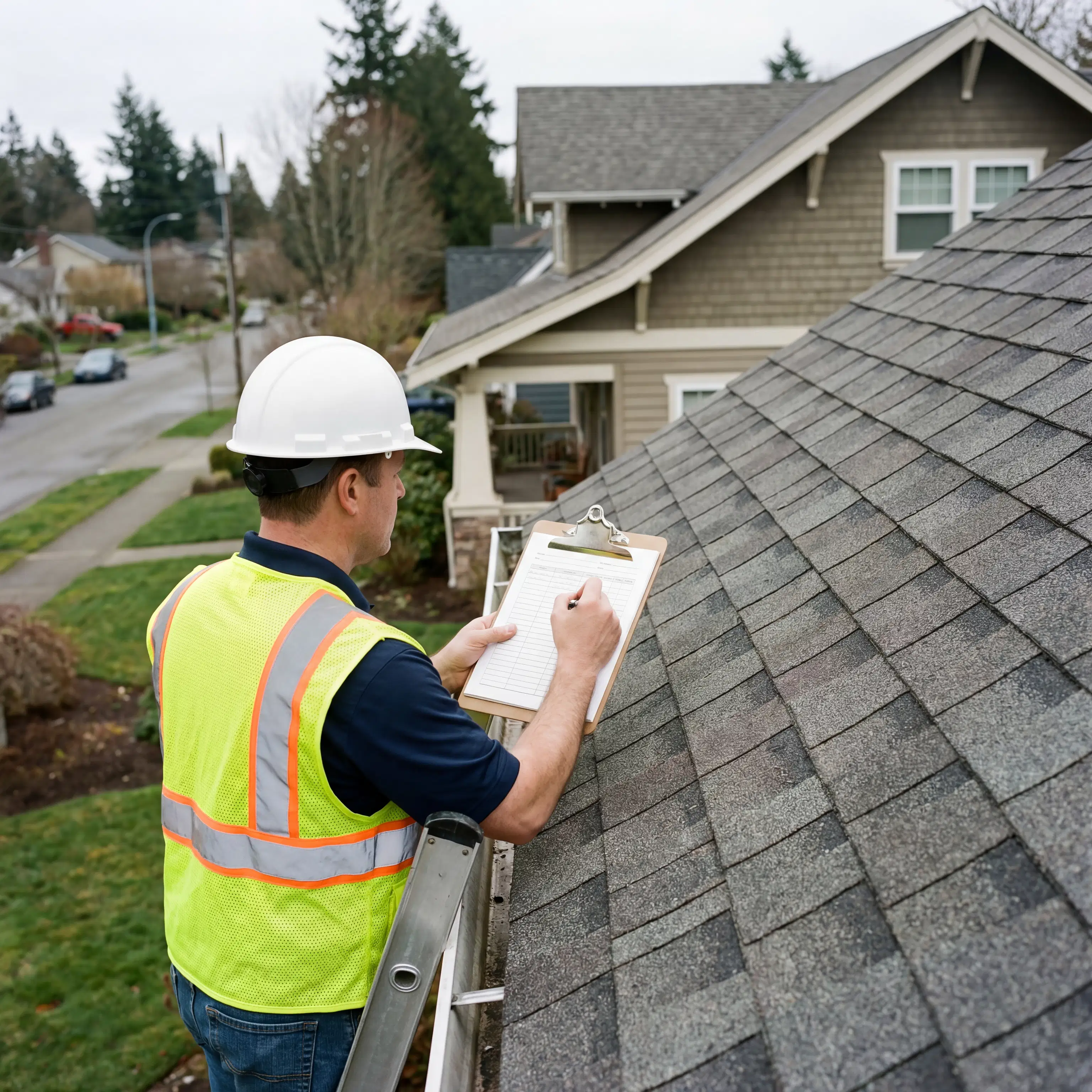
To ensure your home is fully protected, scheduling a professional roof inspection is the best first step. Today, we utilize advanced drone technology and thermal imaging to safely and accurately assess your roof's condition, identify ventilation bottlenecks, and spot hidden vulnerabilities without ever having to step foot on delicate tiles. This modern approach ensures a thorough evaluation and helps us design a ventilation strategy perfectly tailored to your home's unique architecture and the demands of our climate.
Ready to Lower Your Energy Bills?
Investing in proper roof ventilation is one of the smartest decisions you can make for your home. Not only does it protect the structural integrity of your roof and prevent premature material failure, but it also provides immediate relief to your overworked air conditioning system. By allowing your attic to breathe, you can create a more comfortable living environment and keep your hard-earned money from flying out the window in the form of high utility bills.
At Sunset Valley Roofing, we understand exactly what it takes to protect homes across The Valley from extreme temperatures and unpredictable storms. As a fully licensed, bonded, and insured local contractor, we pride ourselves on transparent pricing, flexible financing options, and delivering durable, energy-efficient solutions. If you are tired of sky-high summer cooling costs or are concerned about the health of your roof, we are here to help.
Contact us today to schedule a comprehensive inspection or to learn more about how our ventilation upgrades and roofing services can transform your home's energy efficiency.