Seeing the Invisible: How Thermal Imaging Detects Hidden Roof Leaks
When you live and work in Phoenix, your roof acts as your primary shield against some of the most intense weather conditions in the country. Day after day, the relentless AZ sun bakes your roofing materials, causing microscopic expansion and contraction. While the dry heat is tough, the real test arrives during monsoon season. Sudden, violent downpours can instantly exploit any unseen vulnerabilities in your roof's defense system.
For years, finding these hidden weak points before they turned into massive interior leaks felt like a guessing game. By the time a water stain appeared on a ceiling tile, the structural damage above was already well underway. Today, Sunset Valley Roofing is changing how we approach property maintenance by using advanced drone technology and infrared thermal imaging for roof leak detection. This revolutionary method allows us to see exactly what is happening beneath the surface of your roof, helping property owners catch minor issues long before they become catastrophic emergencies.
Whether you manage a sprawling industrial complex or own a local retail space, proactive maintenance is the key to protecting your investment. By scheduling a comprehensive roof inspection that utilizes thermal imaging, you take the guesswork out of facility management and ensure your building is ready for whatever the desert weather brings.
The Hidden Dangers of Trapped Moisture
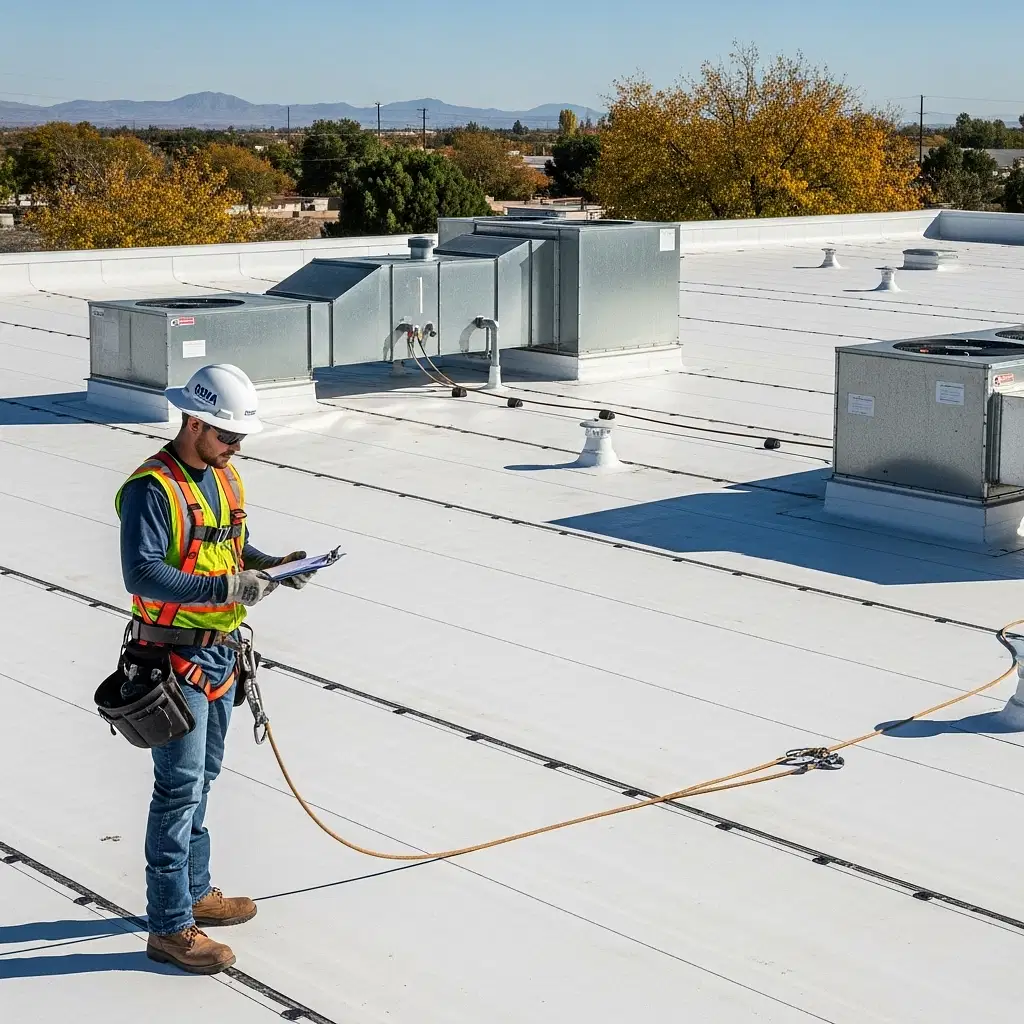
Commercial buildings and modern desert homes frequently utilize flat roof systems. Materials like polyurethane foam roofing are incredibly popular in our region because they offer outstanding insulation against triple-digit temperatures. However, flat roofs also come with a unique set of challenges, particularly when it comes to water drainage.
During a massive dust storm—locally known as a haboob—heavy winds can lift flashing, scour protective surfaces, and create tiny punctures. When the heavy rains inevitably follow, water seeps into these microscopic openings. Because flat roofs don't shed water as rapidly as pitched tile roofs, moisture can easily become trapped out of sight.
Detecting trapped moisture under flat roof membrane layers using traditional visual inspections is incredibly difficult. A roofing technician walking the surface might not see any obvious cracks or blistering. The roof might look perfectly intact to the naked eye, but underneath, water is slowly degrading the insulation, rotting the decking, and compromising the energy efficiency of the building. This is where modern thermal technology steps in to reveal the invisible.
How Thermal Imaging Actually Works
Infrared thermography is not about x-ray vision; it is about temperature differentials. During the day, your roof absorbs a massive amount of solar heat. As the sun goes down and the ambient temperature drops, the roof begins to cool off. However, areas where water has penetrated the roofing membrane retain heat much longer than the dry insulation surrounding them.
When we deploy our specialized thermal drones just after sunset, the infrared cameras capture these temperature variations. The dry areas of the roof appear cooler on the thermal spectrum, while the pockets of trapped water glow as distinct warm anomalies.
This process allows our team to map out the exact size, shape, and location of hidden leaks with pinpoint accuracy. Instead of tearing up large sections of a perfectly good roof just to find the source of a drip, we can perform a completely non destructive commercial roof moisture survey. This targeted approach dramatically reduces labor costs, minimizes disruptions to your daily operations, and prevents the unnecessary waste of roofing materials.
Why Commercial Properties Need Thermal Inspections
For business owners and property managers, roof repairs are a significant capital expense. When you manage large square footage, replacing an entire roof system prematurely due to extensive water damage can devastate an annual maintenance budget.
Our commercial roofing division highly recommends thermal imaging as part of a routine annual maintenance plan, especially in the months leading up to summer storms. Identifying a small saturation zone early means we can perform a highly localized repair. Often, we can extract the wet insulation, patch the membrane, and apply a fresh elastomeric coating to restore the roof's reflective properties and waterproofing.
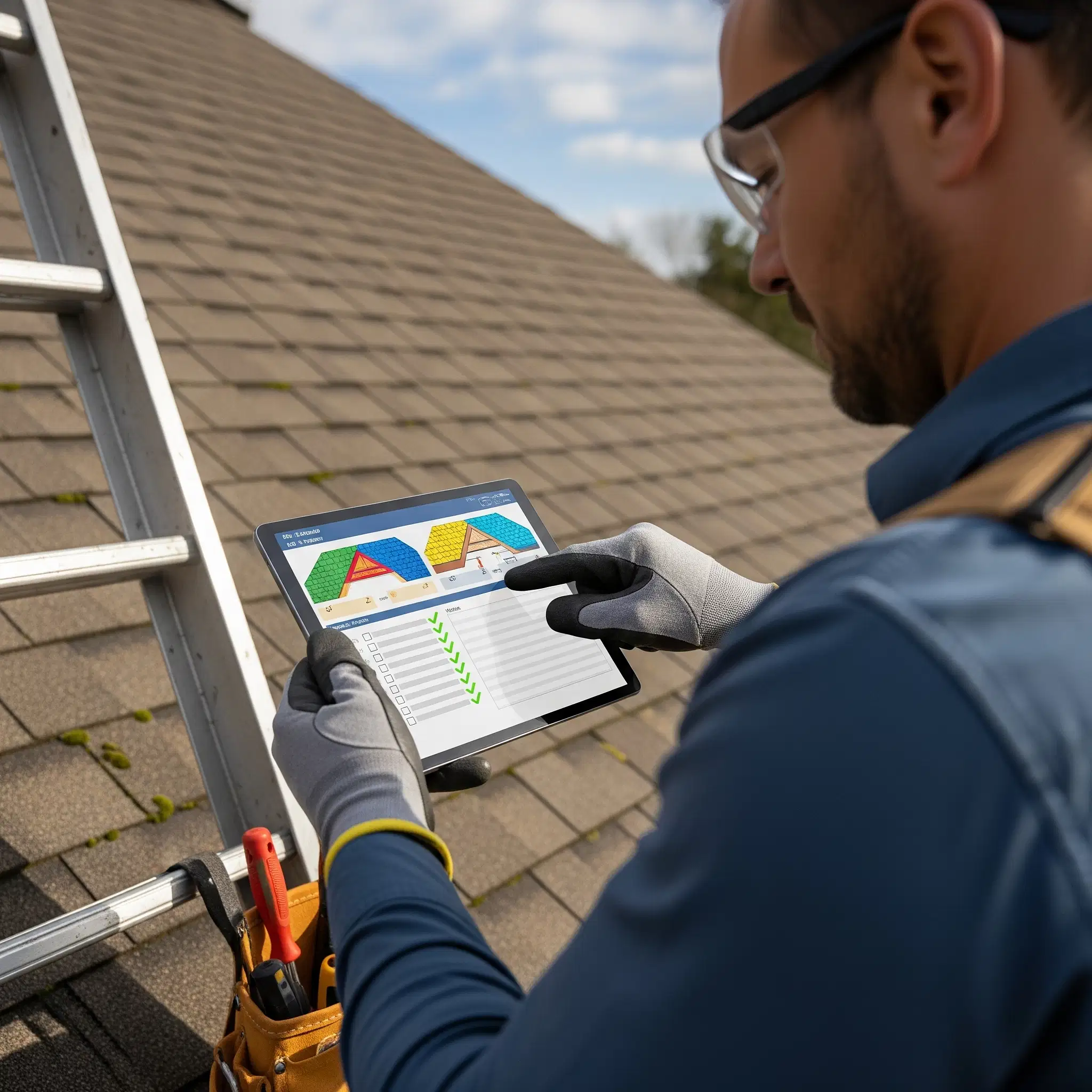
Beyond just finding leaks, thermal imaging provides concrete, visual proof of your roof's condition. If you are preparing to buy or sell a commercial property, having a certified thermal moisture survey provides invaluable leverage during negotiations. It proves that the roof is structurally sound and free of hidden water weight, giving peace of mind to buyers, sellers, and insurance companies alike.
Protect Your Investment Before the Storms Arrive
We know how unpredictable the weather in The Valley can be. One day it is a clear, scorching 115 degrees, and the next afternoon brings sideways rain and microbursts. Don't wait until water is pouring into your warehouse or retail space to find out the condition of your roof.
At Sunset Valley Roofing, we combine decades of hands-on local experience with the latest in non-destructive diagnostic technology. We pride ourselves on providing honest, transparent assessments that save our clients time and money. By utilizing infrared thermal imaging, we give you a clear, undeniable picture of your roof's health.
Are you ready to see what is really happening above your ceiling? Contact our team today to schedule your professional thermal roof inspection and ensure your building is fully protected.