
Is Your Tile Roof's Hidden Defense Failing? Signs Your Underlayment Needs Replacing
Tile roofs are an iconic part of the landscape here in the Valley of the Sun, and for good reason. They are incredibly durable, long-lasting, and perfectly suited to our climate. A well-maintained tile roof can last 50 years or more. But while the tiles themselves can withstand decades of intense sun, the most critical component protecting your home from water damage has a much shorter lifespan. We're talking about the underlayment.
This hidden layer beneath the tiles is your roof's primary water barrier. Over time, the relentless Arizona heat can cause it to become brittle and fail, leaving your home vulnerable to leaks, especially during monsoon season. Many homeowners don't realize there's a problem until water stains appear on their ceiling. Understanding the warning signs can help you address the issue proactively, saving you from more extensive and costly repairs down the road. This guide will walk you through the key indicators that your tile roof's underlayment may be due for a replacement.
What is Roof Underlayment and Why is it So Important?
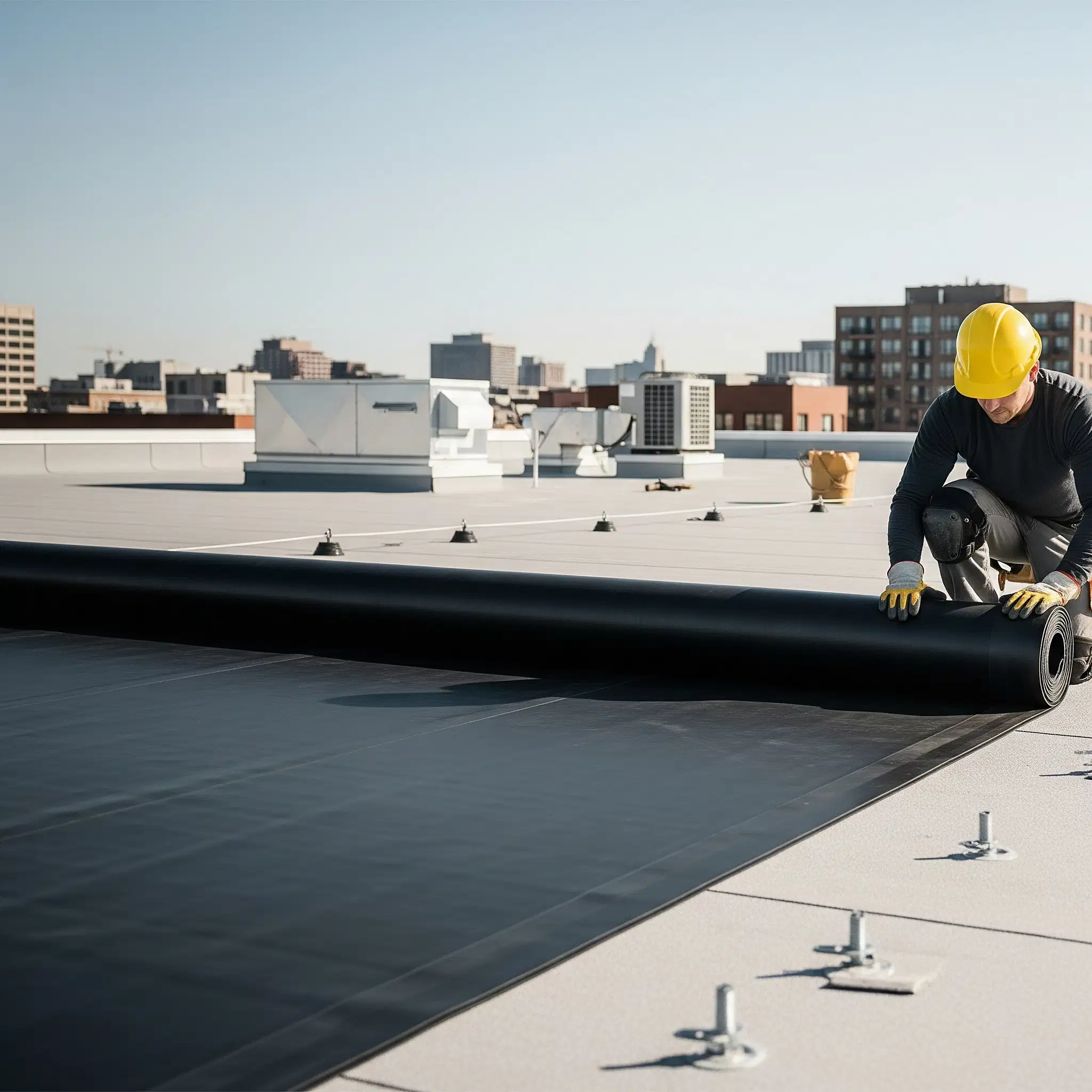
Think of roof underlayment as the raincoat for your home's structure. While the concrete or clay tiles are the tough outer shell that takes the brunt of the sun and impact, the underlayment is the thin, water-resistant membrane rolled out over the wooden roof deck. Its job is to catch any moisture that might find its way past the tiles—whether from a wind-driven rainstorm or a cracked tile—and safely guide it off your roof.
In short, the tiles protect the underlayment from UV damage, and the underlayment protects your house from water. Without a functional underlayment, your beautiful tile roof is just a decorative feature. Water can seep through, leading to wood rot in the roof deck, attic damage, and eventually, costly interior leaks. Maintaining this layer is crucial for the long-term health and integrity of your entire roofing system.
5 Telltale Signs Your Tile Roof Underlayment is Failing
The intense, dry heat in our region is the number one enemy of traditional asphalt-based felt underlayment. Over 15 to 25 years, the sun's radiant heat effectively 'bakes' the underlayment, causing it to lose its flexibility and water resistance. Here are the most common signs that this degradation is happening:
-
Leaks or Water Stains in Your Home: This is the most urgent sign. If you see discoloration on your ceilings or walls, especially after a storm, it's a clear indication that water has breached all your roof's defenses, including the underlayment. At this point, a professional roof inspection is needed immediately to assess the extent of the damage.
-
Brittle or Slipping Tiles: If you notice tiles that have slipped out of place or appear cracked, it can sometimes be a symptom of a failing underlayment. As the felt underneath deteriorates, the fasteners can loosen, causing tiles to shift. If you have any work done on your roof and the contractor notes the tiles are unusually brittle, it's often a sign the entire system is aged.
-
Debris in Gutters: During your regular gutter cleaning, look for small, black, gravel-like or flaky pieces. This is often the old, brittle asphalt felt that has disintegrated and washed down the roof. It's a sure sign the underlayment is breaking apart.
-
A Sagging Roofline: This is a more extreme symptom and points to a long-term problem. A dip or sag in the roof indicates that moisture has been getting past the underlayment for a while, potentially causing the underlying wood decking to rot and weaken.
-
The Age of Your Roof: Even without visible signs, age is a critical factor. If your home was built 20-25 years ago and still has its original roof, you are likely on borrowed time with the underlayment. Being proactive and replacing it before it fails completely is the smartest and most cost-effective approach.
The Solution: A 'Lift and Re-lay' for a New Lease on Life
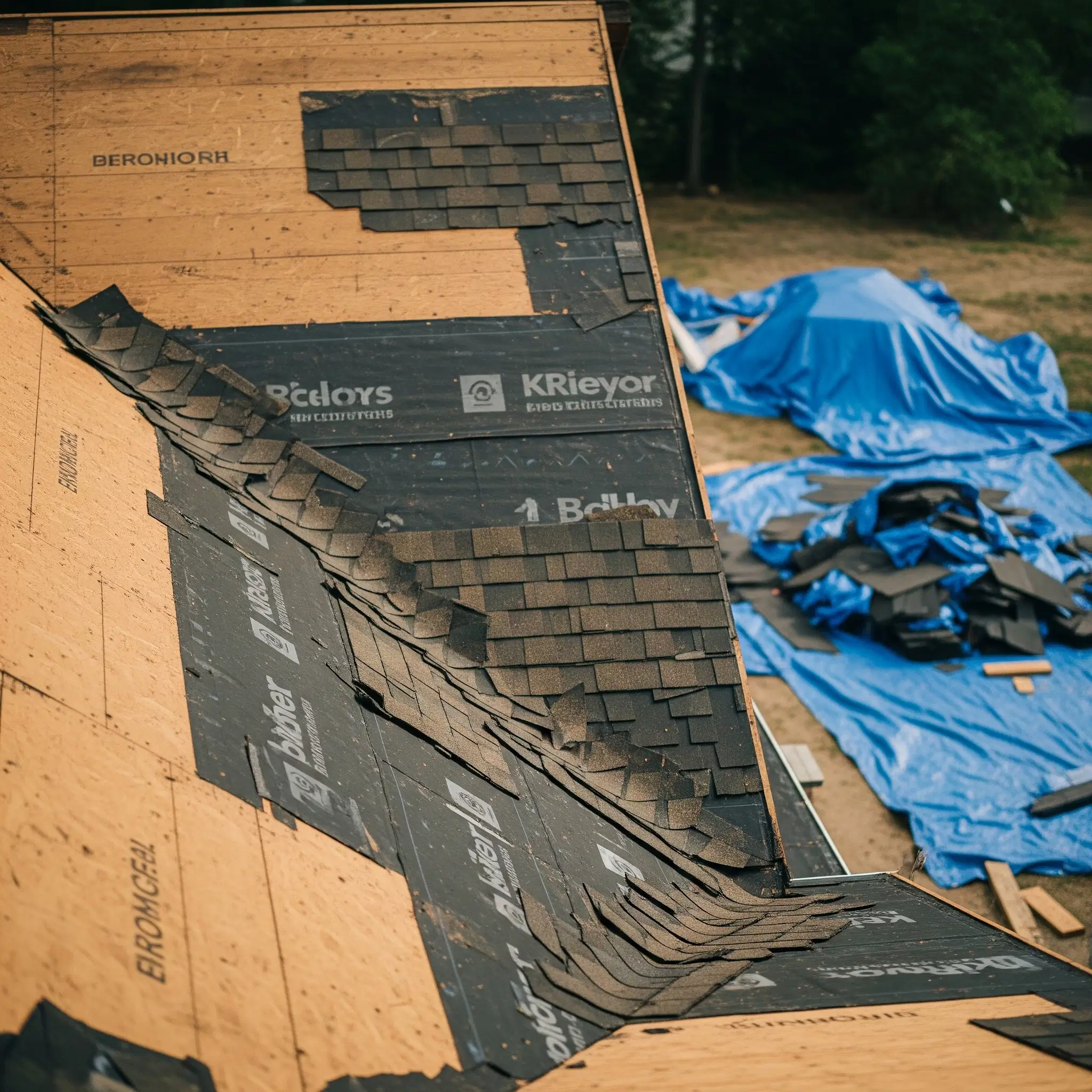
If your tiles are still in good condition but the underlayment has failed, you don't necessarily need a full, costly roof replacement. The most common and effective solution is a process called a 'lift and re-lay.' Our skilled team will carefully remove the existing tiles and stack them, strip away all the old, failed underlayment, inspect the wood deck for any necessary repairs, and then install a new, high-performance synthetic underlayment. This modern material is far more resistant to heat and UV degradation, offering superior longevity.
Once the new underlayment is in place, we re-install your original tiles, replacing any that were cracked or broken. This process effectively restores your roof's water barrier to new condition, extending its life for decades to come. It's a specialized roof repair that protects your investment and ensures your home is ready for the next monsoon season. This is a core part of our residential roofing services, designed to provide maximum value and protection for homeowners.
Protect Your Home with a Proactive Roof Inspection
Your tile roof is a significant asset, and its hidden underlayment is the key to its performance. Paying attention to the age of your roof and keeping an eye out for subtle warning signs can save you from the headache and expense of major water damage. Don't wait for a ceiling stain to tell you there's a problem.
If your home in the Phoenix area has a tile roof that's over 20 years old, or if you've noticed any of the signs we've discussed, it's time to act. Contact the experts at Sunset Valley Roofing today to schedule a comprehensive and honest roof inspection. We'll assess the condition of your underlayment and provide you with a clear understanding of your roof's health. Get in touch with us to ensure your home is protected for years to come.