Don't Wait for the Downpour: Your Essential Guide to Commercial Roof Maintenance Before Monsoon Season
Here in the Valley of the Sun, the signs are unmistakable: the air gets a little heavier, the clouds build in the afternoon, and we all know monsoon season is just around the corner. While many of us welcome the break from the dry heat, for commercial property owners and facility managers in Phoenix, this time of year brings a unique set of challenges. Your roof is your building's first line of defense, and a small, overlooked issue can quickly escalate into a major operational disruption and a significant financial burden during a monsoon storm.
Ignoring proactive maintenance is a gamble that can lead to costly interior water damage, ruined inventory, and even business closure. The good news is that with a strategic approach, you can protect your investment and ensure business continuity. This guide will walk you through the essential steps for preparing your commercial roof, turning seasonal anxiety into confident readiness.
The Hidden Damage: How a Year of Sun Creates Monsoon Vulnerabilities
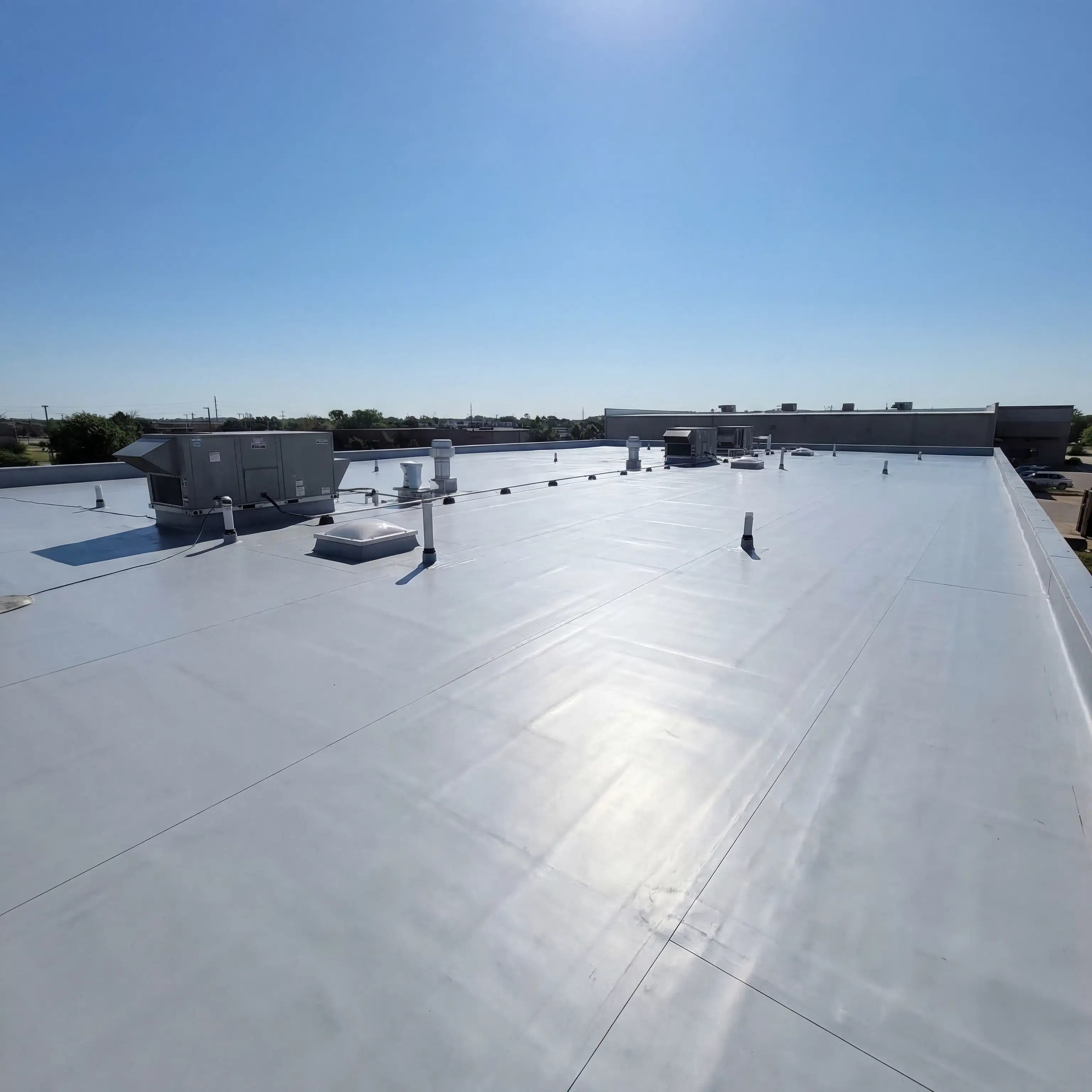
The dramatic downpours of monsoon season often get all the attention, but the real damage starts long before the first raindrop falls. The relentless Arizona sun is the primary culprit in weakening your commercial roof. Day after day, intense ultraviolet (UV) radiation breaks down roofing materials, causing them to become brittle and lose their flexibility.
This constant sun damage can manifest in several ways:
- Membrane Degradation: Flat roof membranes (like TPO, PVC, or EPDM) can develop cracks, blisters, or punctures.
- Sealant Failure: The sealants around vents, HVAC units, pipes, and other roof penetrations can dry out and crack, creating perfect entry points for water.
- Flashing Weaknesses: Metal or membrane flashings that seal the edges of the roof can warp or pull away from the building structure.
Compounding this issue are the haboobs that sweep through the valley. These dust storms deposit a significant amount of dirt, leaves, and debris onto your roof. If not cleared, this debris will clog drains, gutters, and scuppers. When the heavy monsoon rains finally arrive, the water has nowhere to go, leading to dangerous ponding that can strain your building's structure and exploit every tiny weakness created by the sun.
Your Proactive Monsoon-Ready Checklist
Getting ahead of monsoon season is about systematic inspection and preparation. By addressing potential problems now, you can avoid scrambling for emergency service when roofing contractors are in high demand. Here is a practical checklist to ensure your property is secure.
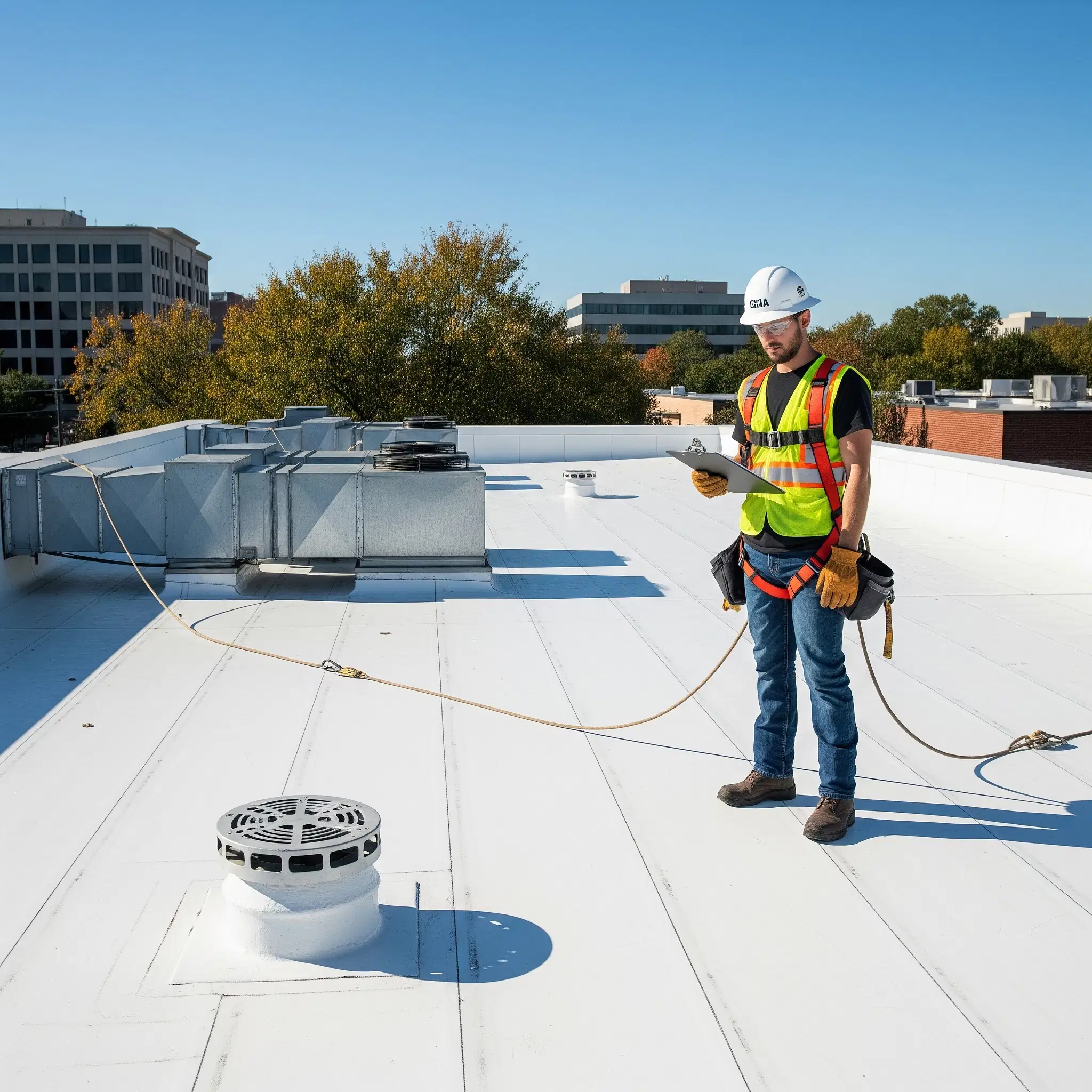
1. Schedule a Professional Roof Inspection While a visual check from the ground is a start, it can't replace a thorough, professional assessment. An experienced technician can identify subtle signs of wear and tear that are invisible to the untrained eye. At Sunset Valley Roofing, we often utilize advanced drone technology to get a comprehensive and safe view of every square foot of your roof, providing detailed reports without disrupting your operations.
2. Ensure All Drainage Systems are Clear This is one of the most critical and effective preventative steps. All drains, scuppers, and gutters must be completely free of debris. A single clogged drain can cause hundreds of gallons of water to pool on your roof, adding immense weight and pressure that can lead to leaks or even structural failure.
3. Meticulously Examine Seams and Flashings The majority of roof leaks occur at points of transition—seams where roofing material is joined and flashings where the roof meets a vertical surface like a wall or an HVAC curb. These areas must be inspected for any signs of separation, cracking, or deterioration.
4. Look for Surface Damage Carefully check the main surface of the roof for any punctures, blisters, or exposed underlayment. On flat roofs, this could be from foot traffic during equipment servicing or from wind-blown debris. Addressing these small issues with a professional roof repair now is far more cost-effective than dealing with a major leak later.
5. Secure All Rooftop Equipment Monsoon storms bring powerful winds. Ensure all rooftop equipment, such as HVAC panels, vents, and solar arrays, is securely fastened. Loose items can become dangerous projectiles, causing significant damage to your roof and surrounding property.
The ROI of Prevention: Why Maintenance Beats Emergency Repairs
As a business owner, every decision comes down to return on investment. It can be tempting to defer maintenance costs, but when it comes to your roof, prevention is exponentially cheaper than the cure. Consider the costs associated with a single major leak during a storm:
- Emergency Repair Premiums: Service calls during a major weather event are often prioritized and come at a higher cost.
- Interior Damage: The cost to repair or replace damaged ceilings, insulation, electrical systems, and flooring can be substantial.
- Asset and Inventory Loss: Water can destroy valuable equipment, documents, and products.
- Business Interruption: The biggest hidden cost is often downtime. Closing your doors for cleanup and repairs means lost revenue and productivity.
In contrast, a scheduled maintenance plan is a predictable operational expense that protects you from these massive, unexpected costs. It extends the lifespan of your existing roof, improves its performance, and provides you with invaluable peace of mind. Furthermore, a well-maintained roof, particularly an energy-efficient cool roof, can lower your building's cooling costs throughout the year, providing a continuous return on your investment.
Secure Your Business Before the Storms Arrive
The Arizona monsoon season is a powerful and predictable force of nature. How your commercial roof weathers it, however, is entirely within your control. By taking proactive steps now—inspecting for sun damage, clearing drainage systems, and addressing minor issues—you can safeguard your property, protect your employees and assets, and ensure your business continues to run smoothly, rain or shine.
Don't leave your most critical asset to chance. The team at Sunset Valley Roofing specializes in comprehensive commercial roofing services designed for the unique demands of our climate. Contact us today to schedule a professional roof inspection and create a maintenance plan that keeps your Phoenix business protected, season after season.