
Don't Get Caught in the Downpour: Your Essential Guide to Monsoon Roof Prep
The air in the Valley of the Sun gets heavy, the sky darkens to the west, and you can smell the rain on the desert dust. For many of us, the start of monsoon season is a welcome relief from the relentless dry heat. But with the powerful winds, torrential downpours, and the occasional haboob comes a nagging worry for homeowners: is my roof ready? A small leak can quickly turn into a major headache, causing significant water damage and costly repairs right when contractors are at their busiest. The key to a stress-free monsoon season isn't luck; it's preparation. This guide will walk you through the essential steps to inspect and secure your roof, ensuring your home remains a safe, dry sanctuary when the storms roll in.
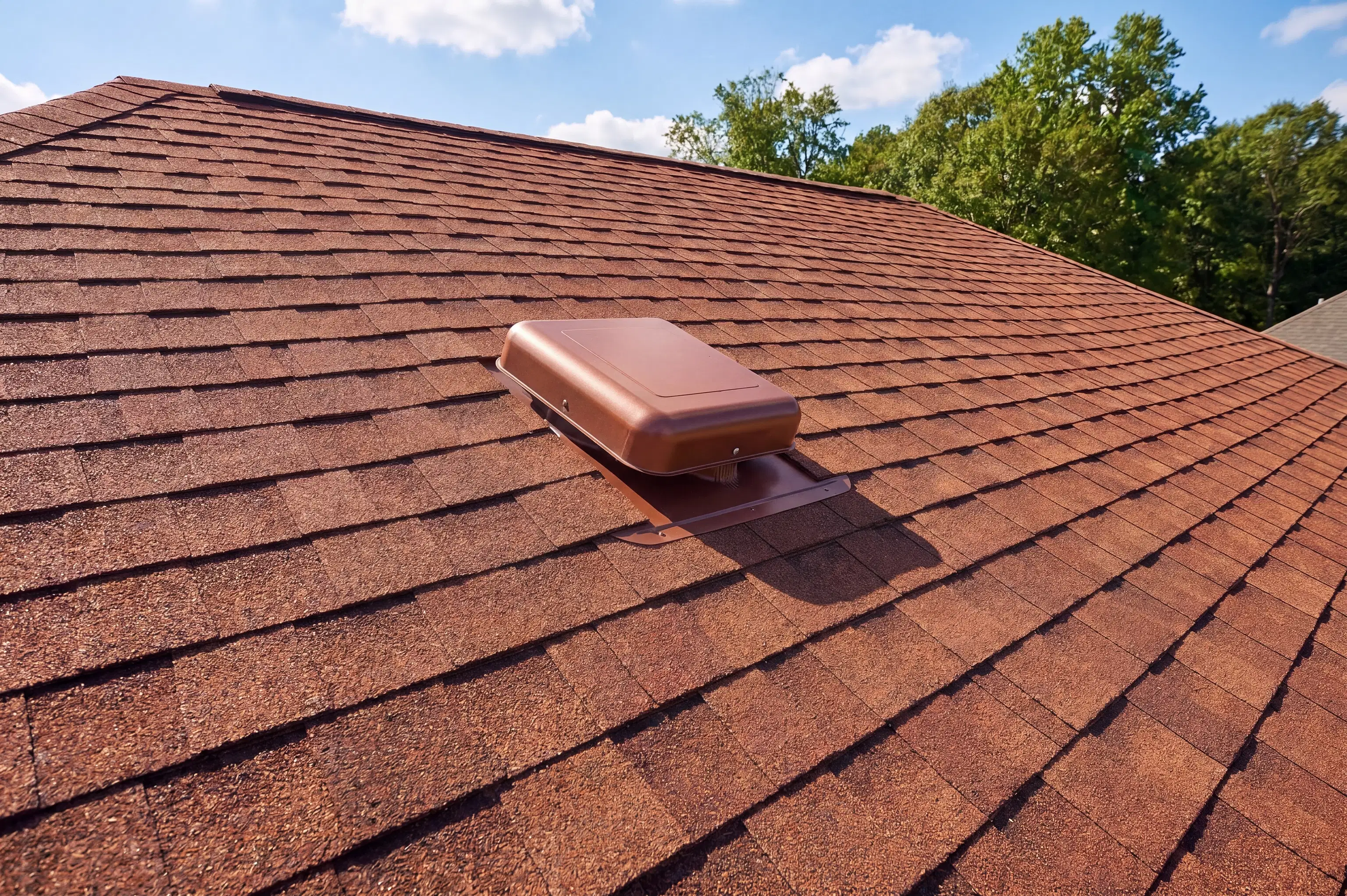
Your Pre-Monsoon Visual Checklist: What to Look For From the Ground
Before the first storm hits, you can perform a simple but effective visual check of your roof from the safety of the ground. This initial assessment can help you spot obvious red flags that need professional attention. Grab a pair of binoculars for a closer look and walk around your property, paying attention to these key areas:
- Cracked, Slipped, or Missing Tiles & Shingles: Years of intense sun damage can make roofing materials brittle. A single cracked or missing tile is a direct entry point for water. Pay close attention to the edges and ridges of your roof, as these areas are particularly vulnerable to wind damage.
- Clogged Gutters and Drains: Gutters are your roof's primary drainage system. When they are clogged with leaves, dirt from dust storms, and other debris, rainwater has nowhere to go. It can pool and seep back up under the shingles or tiles, compromising the underlying structure.
- Debris on the Roof: Don't underestimate the impact of accumulated leaves, twigs, and dirt. This debris traps moisture against the roof's surface, which can accelerate the deterioration of materials and encourage mold or algae growth, especially on flatter sections of your roof.
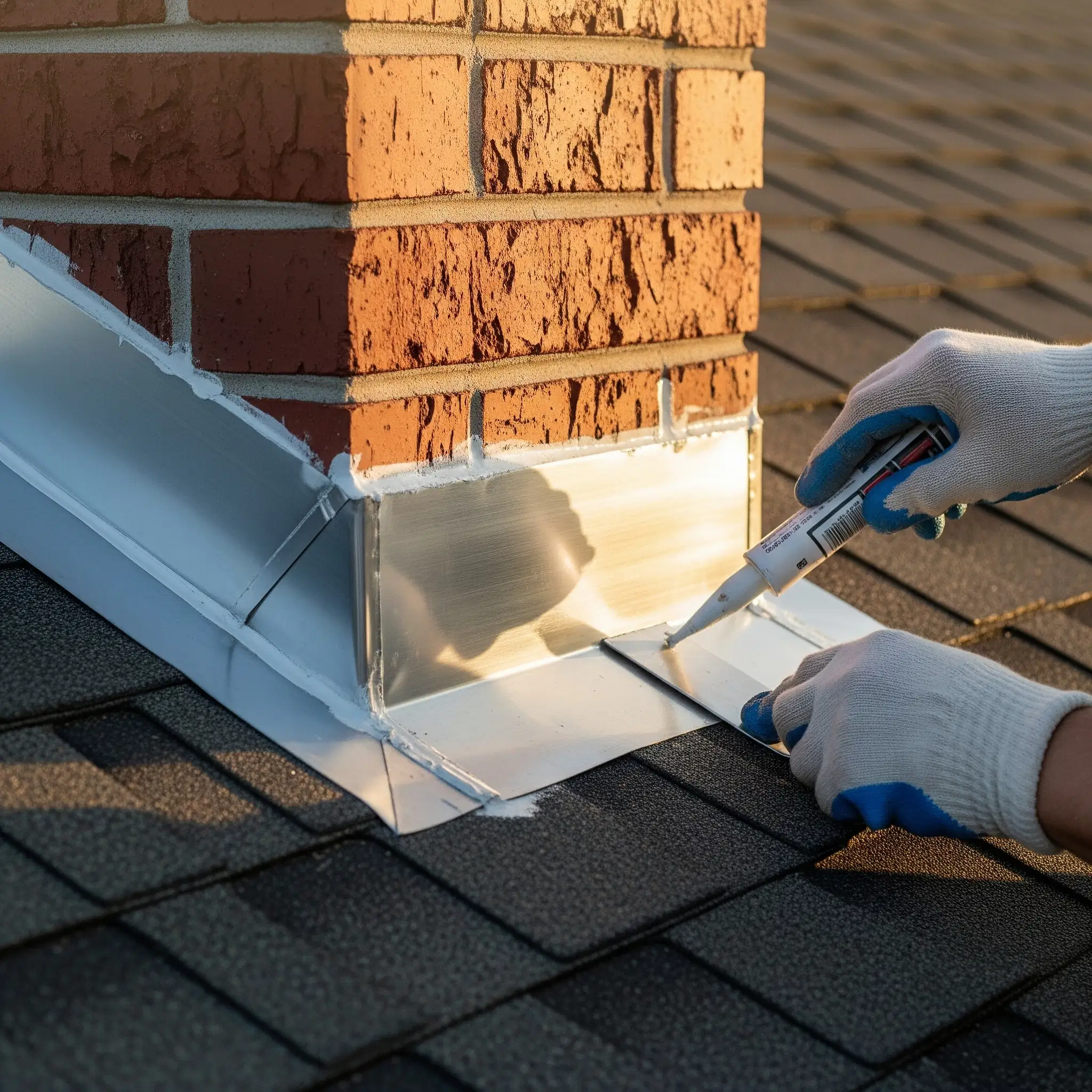
- Damaged Flashing: Flashing is the metal stripping that seals the joints around chimneys, vents, skylights, and valleys where different roof planes meet. If this material is bent, rusted, or has gaps, it's one of the most common sources of roof leaks. Ensure it looks flush and fully sealed.
- Check Your Attic: If it's safe to do so, take a peek inside your attic with a flashlight. Look for any dark stains on the wood, signs of moisture, or areas where daylight is visible. These are clear indicators of an existing problem that a downpour will only make worse.
Why a Professional Roof Inspection is Your Best Defense
While a visual check is a great start, it can't reveal the hidden issues that often cause the most significant monsoon roof damage. What looks fine to an untrained eye might be a serious problem waiting to happen. This is where the value of a professional roof inspection becomes crystal clear.
First and foremost, safety is paramount. Walking on a roof, especially a sloped or tile roof, is extremely dangerous without the proper training and safety equipment. Our technicians are trained to navigate roofs safely while conducting a thorough, detailed assessment.
Professionals can identify subtle issues you might miss, such as hairline cracks in tiles, failing seals on vents, or the tell-tale signs of a deteriorating underlayment beneath a tile roof—a critical component that serves as the main water barrier. Years of exposure to our intense heat can make this layer brittle and ineffective, even if the tiles on top look perfect.
At Sunset Valley Roofing, we leverage modern technology like drones to get a comprehensive, high-resolution view of your entire roofing system. This allows us to inspect hard-to-reach areas safely and accurately, providing you with a complete picture of your roof's condition without anyone taking unnecessary risks. A professional inspection report gives you the knowledge and peace of mind to make informed decisions before the storms arrive.
Taking Action: Smart Repairs Before the Storm
Identifying a problem is half the battle; the other half is taking proactive steps to fix it. Addressing minor issues now is far more affordable and less stressful than dealing with an emergency leak in the middle of a monsoon storm. Based on a professional inspection, here are some common roof repairs that can save your home from water damage:
- Replacing Damaged Materials: This involves carefully removing and replacing any cracked, broken, or missing tiles and shingles to restore the roof's primary shield against rain.
- Securing and Sealing Flashing: We can reseal or replace compromised flashing around chimneys and vents to eliminate these common leak points.
- Underlayment Repair: For our region's common tile roofs, addressing failing underlayment is crucial. This can sometimes be done in sections, extending the life of your roof without a full replacement.
- Clearing Debris and Gutters: Professional cleaning ensures your roof's drainage system functions exactly as it should, directing water away from your home's foundation.
Investing in these preventative measures is one of the smartest decisions a homeowner can make. It protects your property's value, ensures your family's comfort, and helps you avoid the high cost and long wait times associated with emergency monsoon roof damage repair.
Secure Your Home with Sunset Valley Roofing
The monsoon season is a defining part of life here, but it doesn't have to be a source of anxiety. By taking a proactive approach—performing a visual check, identifying potential issues, and trusting a professional for a thorough inspection and repair—you can face the coming storms with confidence. A well-maintained roof is your home's first and most important line of defense.
Don't wait for the first downpour to reveal a problem. If you have concerns about your roof's condition or want to schedule a comprehensive, no-obligation inspection, the team at Sunset Valley Roofing is here to help. We specialize in residential roofing solutions designed to withstand the unique challenges of the Phoenix climate. Contact us today to ensure your home is ready for whatever the season brings.