
Don't Get Caught in the Downpour: A Guide to Flat Roof Drainage Before Monsoon Season
For commercial property owners across the Valley of the Sun, the approach of monsoon season brings a familiar mix of relief from the dry heat and apprehension about the powerful storms to come. While the rain is welcome, it poses a significant threat to one of your biggest investments: your commercial flat roof. Unlike sloped roofs that shed water naturally, flat roofs rely entirely on a perfectly functioning drainage system. When that system fails, you’re not just looking at a few puddles; you’re facing the risk of ponding water, structural damage, and costly interior leaks. This guide will walk you through the essentials of flat roof drainage, helping you take proactive steps to ensure your Phoenix property is secure before the first storm clouds gather.
The Weight of Water: Why Ponding is a Flat Roof's Worst Enemy
Ponding water is any water that remains on a roof for more than 48 hours after rainfall. It might look harmless, but it's a clear sign of a drainage problem and a major threat to your building's integrity. Here’s why it’s so critical to address:
- Structural Stress: Water is incredibly heavy. Just one inch of standing water over a 10x10 foot area weighs over 500 pounds. This immense weight adds significant stress to your roof's structure, which can lead to sagging, decking damage, and in extreme cases, collapse.
- Material Degradation: Most flat roofing materials are water-resistant, not waterproof indefinitely. Prolonged exposure to standing water accelerates the breakdown of membranes, coatings, and seals. The intense Arizona sun then bakes and cracks these weakened areas, creating easy entry points for leaks.
- Costly Leaks and Interior Damage: Once water penetrates the roofing membrane, it can damage insulation, seep into the building's interior, and lead to ruined inventory, damaged equipment, and business disruptions. What starts as a small puddle can quickly become a major financial headache.
Preventing ponding water isn't just about maintenance; it's about protecting your asset and ensuring business continuity, especially when a sudden monsoon downpour is on the horizon.
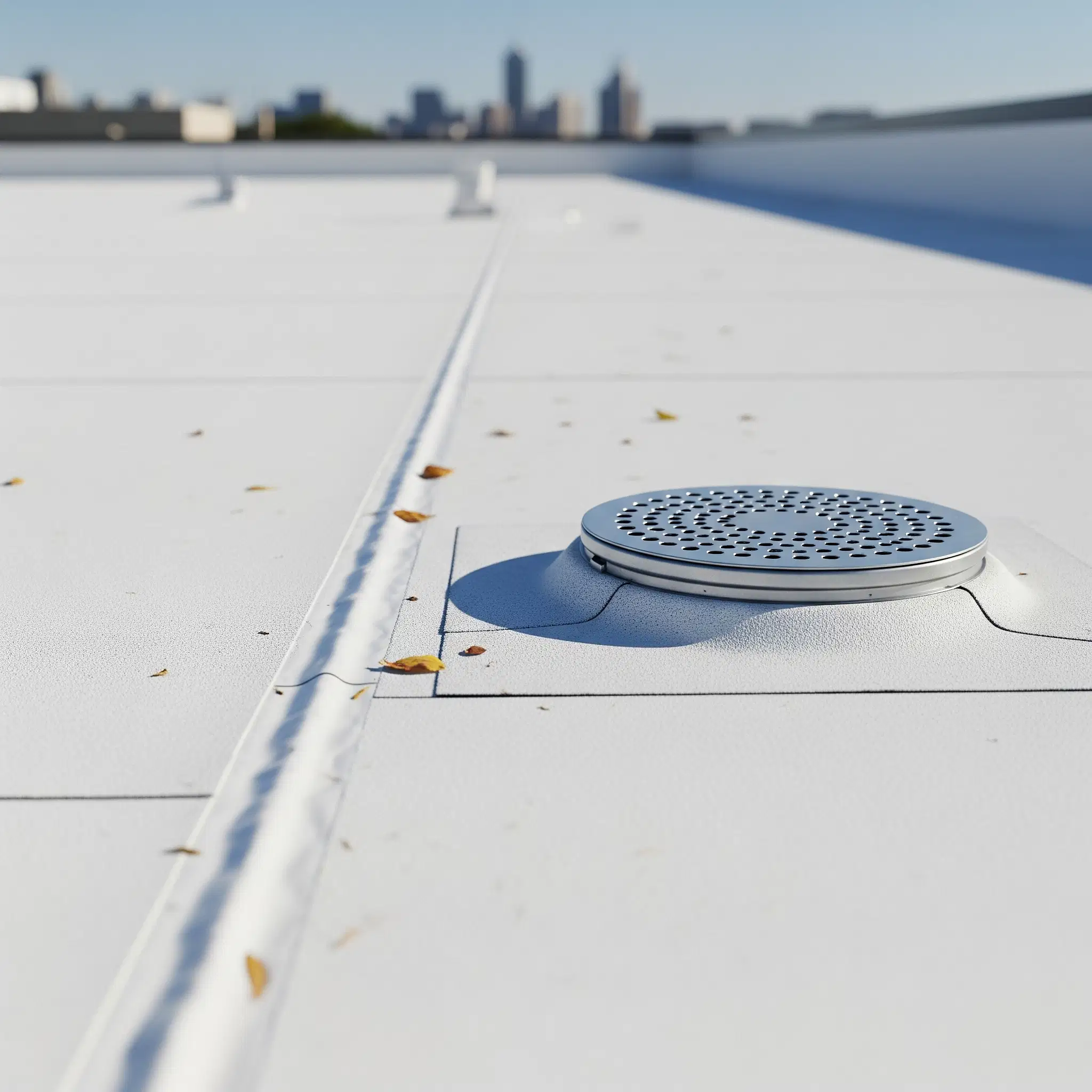
Understanding Your Roof's Drainage System
Commercial flat roofs typically use one or a combination of several systems to manage water. Knowing what you have is the first step to proper maintenance. The intense dust from a haboob or simple neglect can compromise any of these systems, so regular checks are vital.
- Internal Drains: These work much like a shower drain, collecting water from the roof surface and channeling it through pipes that run down through the building's interior. While highly effective, a clog deep within the pipe can be difficult to detect and resolve without professional help.
- Scuppers: These are openings along the edge of the roof or parapet walls that allow water to drain off the side. They are often connected to downspouts. Scuppers are easy to inspect visually and clear of debris, but they can be overwhelmed during the torrential rains typical of our monsoon season if not properly sized or if they become blocked.
- Gutters and Downspouts: While more common on sloped roofs, some flat roof designs incorporate gutters along the edges to catch and direct water flow from scuppers. These are highly susceptible to clogs from leaves, dirt, and other debris.
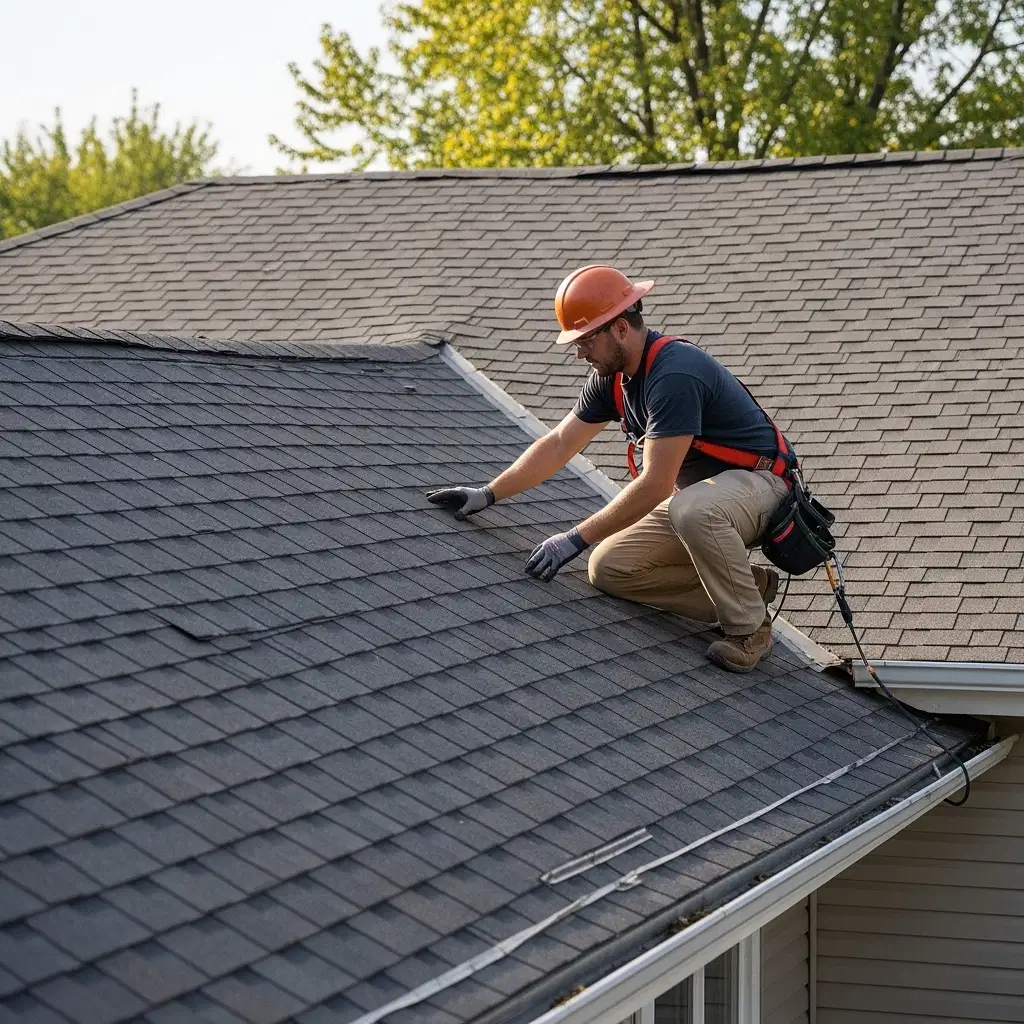
Proactive Maintenance: Your Best Defense Against Monsoon Damage
An ounce of prevention is worth a pound of cure, especially when it comes to roofing. Taking these steps before the storms arrive can save you thousands in potential damages.
-
Schedule a Professional Inspection: The most effective way to ensure your roof is ready is with a comprehensive roof inspection. A trained professional can spot subtle signs of weakness, identify potential drainage issues, and assess the overall health of your roofing system. They can identify low spots where ponding is likely and check for hidden clogs or damage that isn't visible from a casual glance.
-
Clear All Debris: Regularly walk the roof (if safe to do so) and remove any leaves, dirt, trash, and other debris. Pay special attention to areas around drains and scuppers, as this is where blockages start. Even a small amount of debris can obstruct water flow and start a damaging cycle.
-
Check for Early Warning Signs: Look for cracks, blisters, or separated seams in the roofing material, especially around drainage points. If you notice that puddles are lingering for more than a day or two after a rain, it’s a clear indicator that your drainage isn't working efficiently. This is the time to call for a professional roof repair before a small issue becomes a major leak.
Don't Wait for the Downpour
The monsoon season is an inevitable part of life in Arizona, but roof damage doesn't have to be. By understanding your flat roof's drainage system and taking proactive steps to maintain it, you can face the season with confidence. A well-maintained roof is one of the most important shields your business has against the elements.
If you have any concerns about your property's readiness for the upcoming storms, don't hesitate to act. Protect your investment and ensure your business stays dry and operational. For a thorough evaluation of your roof's drainage and overall condition, contact the experts at Sunset Valley Roofing. We provide comprehensive commercial roofing services, from detailed inspections to expert repairs, to keep your Phoenix property secure, no matter what the weather brings.