Comparing Commercial TPO and Foam Roofing Systems
When you own or manage a commercial property in Phoenix, maintaining the integrity of your building's exterior is a unique challenge. The extreme summer heat and intense ultraviolet radiation put your building materials to the test every single day. If you are looking into commercial roofing options, you likely know that standard materials don't always cut it in our climate. Business owners frequently ask us how extreme heat affects their roof's lifespan and which materials are best suited to handle the demands of the desert. Two of the most effective and energy-efficient commercial flat roofing options available today are TPO (Thermoplastic Polyolefin) and polyurethane foam roofing. Both offer incredible defense against the elements, but they perform in slightly different ways. Let's break down the differences between single ply membrane commercial roof installation and specialized foam roofing so you can make an informed decision for your property.
The Climate Challenge for Commercial Buildings
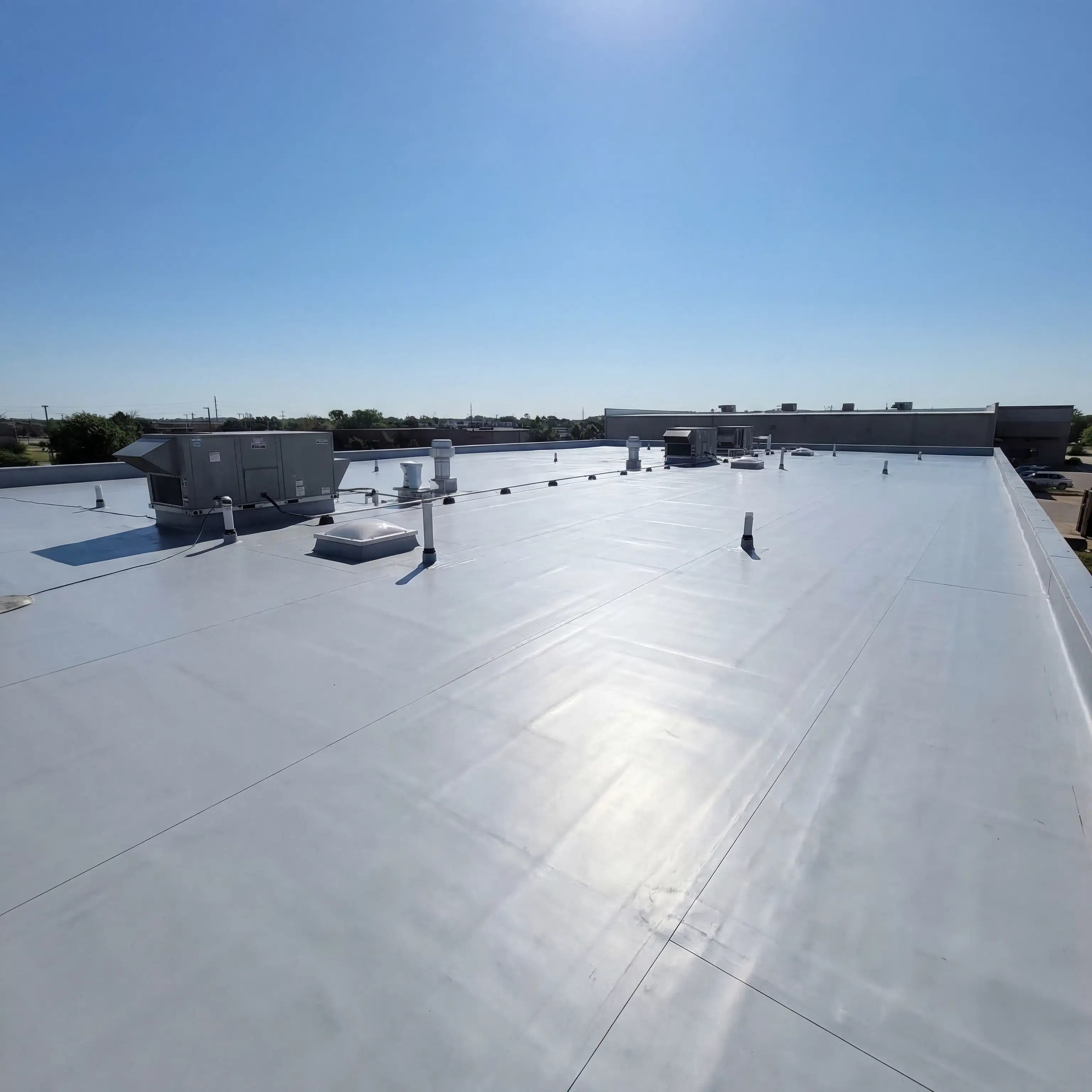
The AZ sun is relentless. With temperatures consistently soaring during the summer, commercial flat roofs essentially become baking sheets if they aren't properly protected. This extreme thermal load not only degrades materials over time but also forces your building's HVAC system to work overtime, driving up your energy bills. On top of the heat, we also have to prepare for the monsoon season, which brings sudden, aggressive winds and torrential downpours that can easily exploit any weakness in an aging roof structure.
Choosing the right roofing material isn't just about stopping leaks; it is a critical business decision centered on energy efficiency, longevity, and protecting your bottom line. Property managers and investors prioritize materials that mitigate heat, resist storm damage, and offer a solid return on investment through reduced cooling costs.
Understanding TPO (Thermoplastic Polyolefin) Roofing
TPO has become one of the fastest-growing commercial roofing systems on the market, and for good reason. It is a single-ply roofing membrane that offers excellent performance at a cost-effective price point.
How It Works
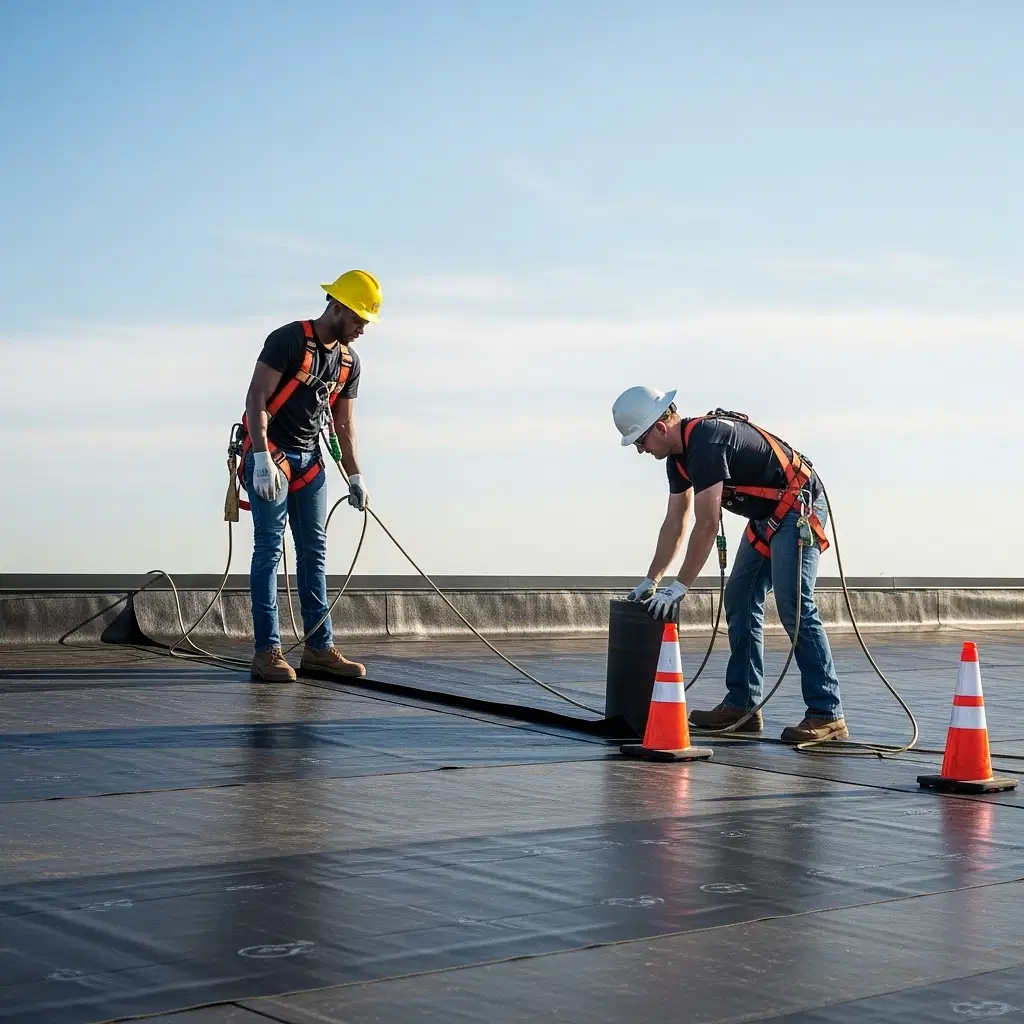
TPO comes in large rolls that are laid out across the flat surface of your roof. The seams are then heat-welded together to create a watertight bond. This heat-welded seam is actually stronger than the membrane itself, making it highly resistant to wind uplift, which is a major benefit when severe storm fronts roll through the Valley.
The Benefits
One of the main reasons business owners choose TPO is its natural reflectivity. The bright white membrane reflects a significant portion of the sun's harsh rays, keeping the surface temperature of the roof much lower than traditional dark materials. This directly translates to reduced cooling costs inside the building. Furthermore, TPO is highly resistant to chemical exposure, ozone, and ultraviolet light, making it a highly durable choice for roof installation and replacement projects on industrial and commercial facilities.
While TPO is incredibly strong, it consists of a single layer of protection. Punctures from dropped heavy tools or excessive foot traffic can occasionally occur, requiring prompt patching to prevent moisture intrusion.
The Advantages of Polyurethane Foam Roofing
Many of our customers ask, "Are foam roofs good for flat roofs?" The answer is a resounding yes, especially in our desert environment. Polyurethane foam roofing is sprayed onto the roof as a liquid, which then expands into a solid, seamless layer of closed-cell foam.
Exceptional Insulation
The biggest selling point of foam roofing is its incredible insulating properties. The thick layer of foam creates a highly effective thermal barrier that stops the transfer of heat into your building. For businesses focused on maximizing their energy efficiency and taking advantage of modern cool roof technology, foam is arguably the most effective option available for lowering utility costs.
Seamless Waterproofing
Because it is sprayed as a continuous liquid that expands to fill gaps, a foam roof has absolutely no seams. Seams are traditionally the weakest point on any flat roof and the most likely place for a leak to develop during heavy rains. By eliminating seams entirely, foam roofs offer superior leak protection.
Once the foam is applied, it is sealed with an elastomeric coating. This reflective, rubberized layer protects the foam from UV degradation while adding an extra layer of waterproofing and solar reflectivity. When properly maintained, a foam roof can last for decades, providing incredible long-term value.
TPO vs. Polyurethane Foam: Making the Best Choice
Comparing TPO and polyurethane foam roofing systems ultimately comes down to your building's specific needs, your budget, and your long-term operational goals.
Cost and Installation
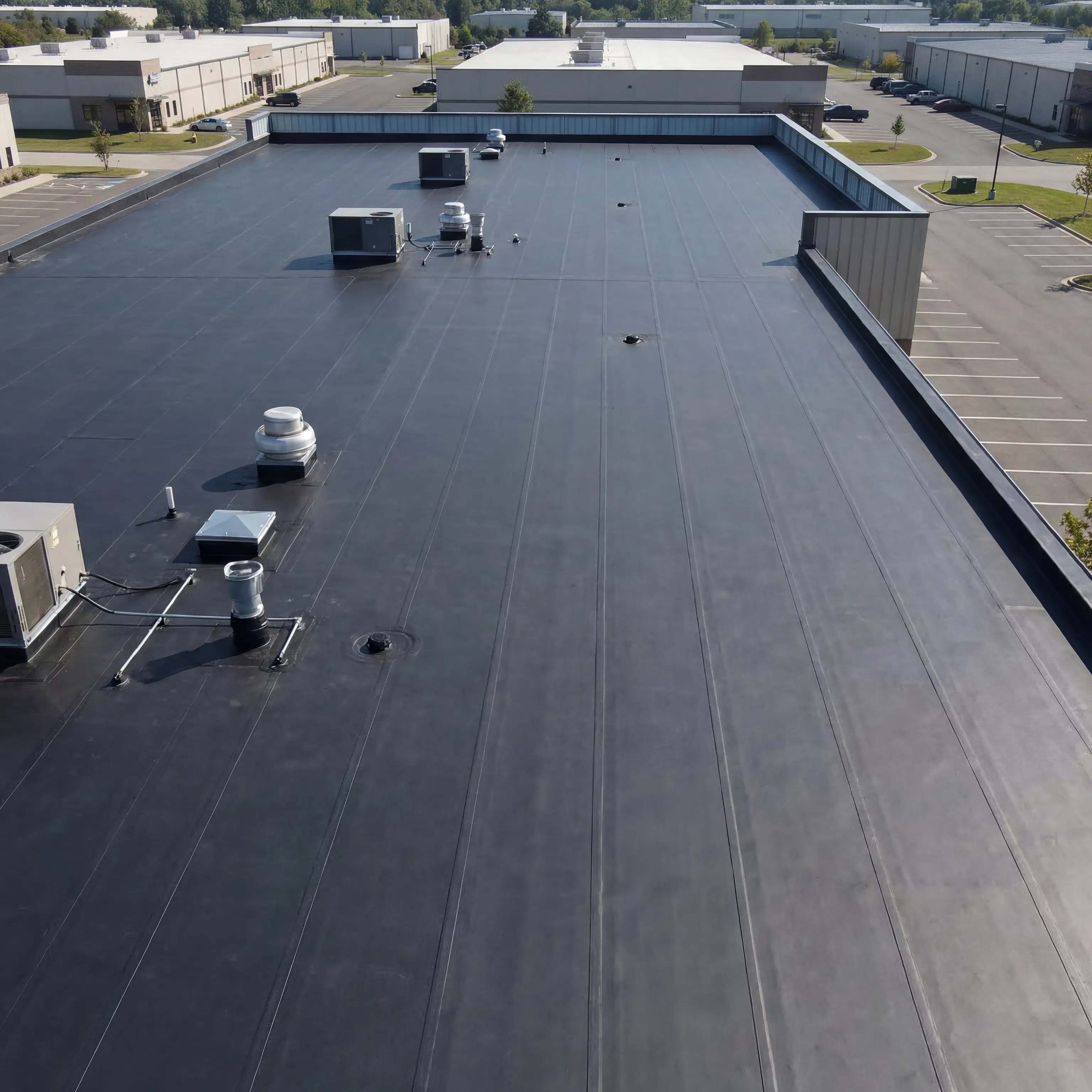
Generally, TPO has a slightly lower initial installation cost compared to foam. It is relatively quick to install on large, unobstructed flat roofs. However, if your roof has numerous penetrations like multiple HVAC units, vents, or skylights, foam becomes highly competitive. Because foam is sprayed, it easily contours around complex shapes without the need for custom-cut flashing, saving significant labor time and reducing the risk of installation errors around fixtures.
Energy Efficiency
Both options offer excellent solar reflectivity, but foam takes the lead when it comes to raw insulation value. If your primary goal is to drastically slash your monthly cooling costs, the superior insulating power of closed-cell foam is hard to beat.
Maintenance Needs
TPO requires routine visual inspections to check the integrity of the seams and ensure there are no punctures in the membrane. Foam roofs need to have their elastomeric coating monitored to ensure the underlying foam isn't exposed to UV rays, which can break it down over time. Both systems benefit greatly from proactive maintenance, especially before the summer storms arrive.
Protect Your Commercial Investment
Your commercial roof is a major investment, and choosing between TPO and foam doesn't have to be an overwhelming process. At Sunset Valley Roofing, we understand the unique demands placed on commercial structures throughout the Valley of the Sun.
Our team is fully licensed, bonded, and insured to provide top-tier commercial roofing solutions that prioritize extreme heat mitigation, energy efficiency, and storm durability. Whether you are leaning toward a single-ply membrane or an energy-saving foam system, we can evaluate your property and provide a transparent, honest recommendation tailored to your budget.
If you are ready to upgrade your building's defense against the elements and lower your operating costs, contact Sunset Valley Roofing today. Explore our commercial roofing services online, or reach out to our professional team to schedule a comprehensive evaluation of your property.