A Homeowner's Guide to Navigating HOA Approval for Roof Replacement
Replacing your roof is one of the most significant investments you will make in your property, but when you live in a deed-restricted community, there is an extra layer of complexity to consider. Residents throughout the Valley often find themselves wrestling with thick community rulebooks just when their home needs critical attention.
Homeowners associations enforce strict architectural guidelines to ensure a cohesive neighborhood aesthetic and protect property values. While these rules benefit the community in the long run, they can feel like a massive hurdle when you are trying to upgrade your home or mitigate unexpected storm damage. Whether your home has suffered from years of baking under the intense AZ sun or you are preparing for the upcoming monsoon season, getting the green light from your architectural review committee does not have to be a headache.
Understanding the hoa roofing guidelines approval process is the first step toward a smooth, stress-free project. By approaching the situation proactively and knowing exactly what your board expects, you can avoid frustrating delays, prevent unexpected fines, and ensure your home remains protected against the extreme desert climate.
Matching HOA Approved Roofing Materials
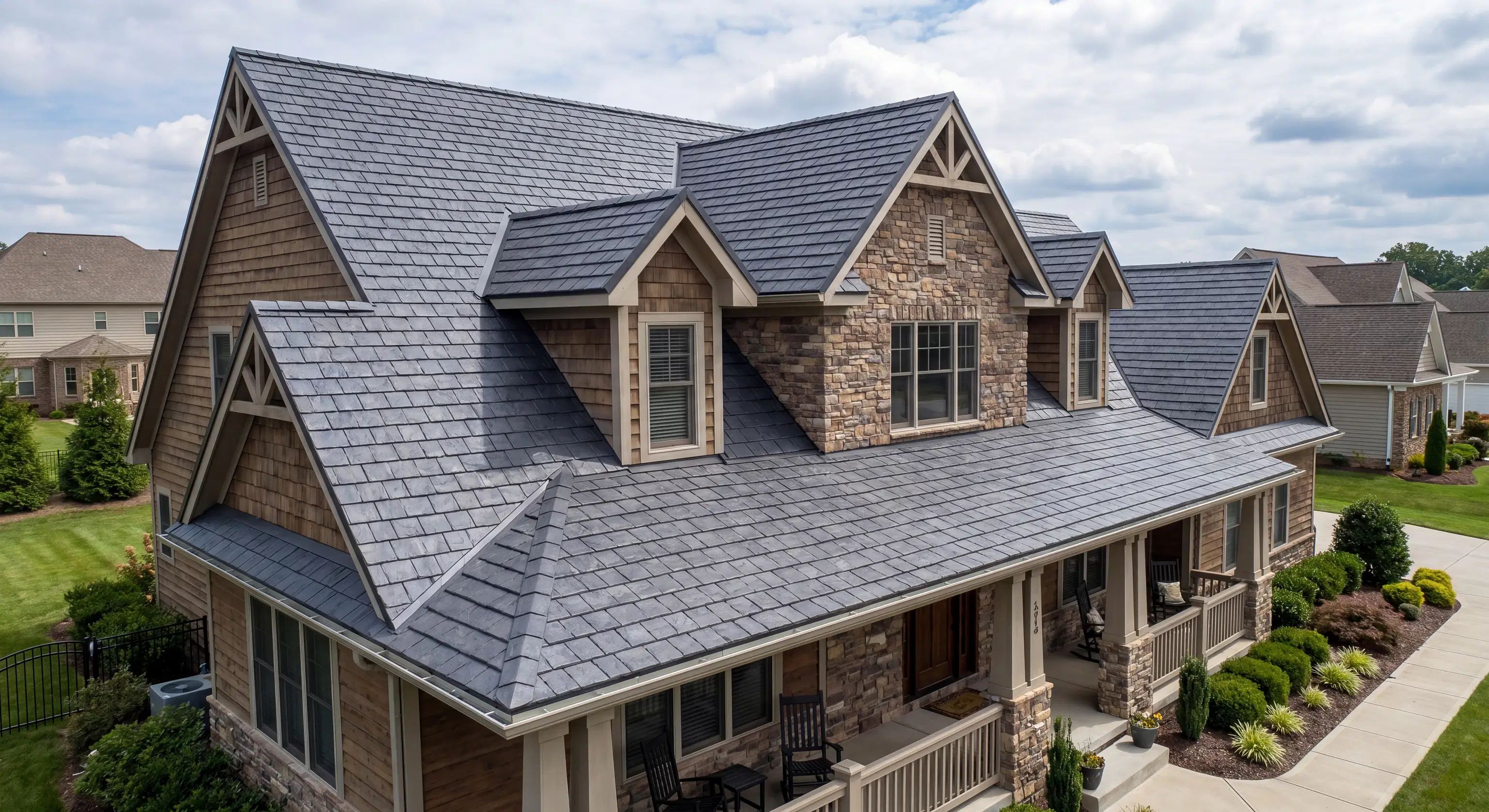
The most common hurdle homeowners face is figuring out how to get hoa approval for tile roof color and style that both satisfies community aesthetic standards and meets modern energy requirements. Associations usually maintain a specific pre-approved list of manufacturers, tile profiles, and color palettes designed to keep the neighborhood looking uniform.
However, roofing technology has advanced significantly in recent years. Today, many homeowners are prioritizing extreme heat mitigation to lower their summer cooling costs. If you are looking at upgrading to highly reflective materials, you will need to cross-reference these modern options with your association's guidelines. Municipalities are increasingly mandating higher solar reflectance index (SRI) ratings for new installations, and while HOAs are updating their rules to reflect these eco-friendly standards, the transition can be slow.
Many residents also ask how long tile roof underlayment lasts in this climate. It is a vital question because underlayment failure is the leading cause of leaks. The dry heat literally bakes the felt paper beneath your tiles over time. When it is time for a tile R&R (remove and reinstall), you might be able to keep your existing tiles while upgrading the protective layer underneath, which often requires a much simpler HOA approval process since the exterior appearance remains completely unchanged.
Preventing HOA Fines During Roof Replacement
Timing and thorough documentation are everything when dealing with an architectural review committee. Many homeowners discover they need urgent roof repair after a sudden haboob or heavy summer storm. If you are rushing to fix a leak, the strict timeline of a community board can feel incredibly restrictive. Some committees only meet once a month, which can cause significant anxiety if your home is vulnerable to the elements.
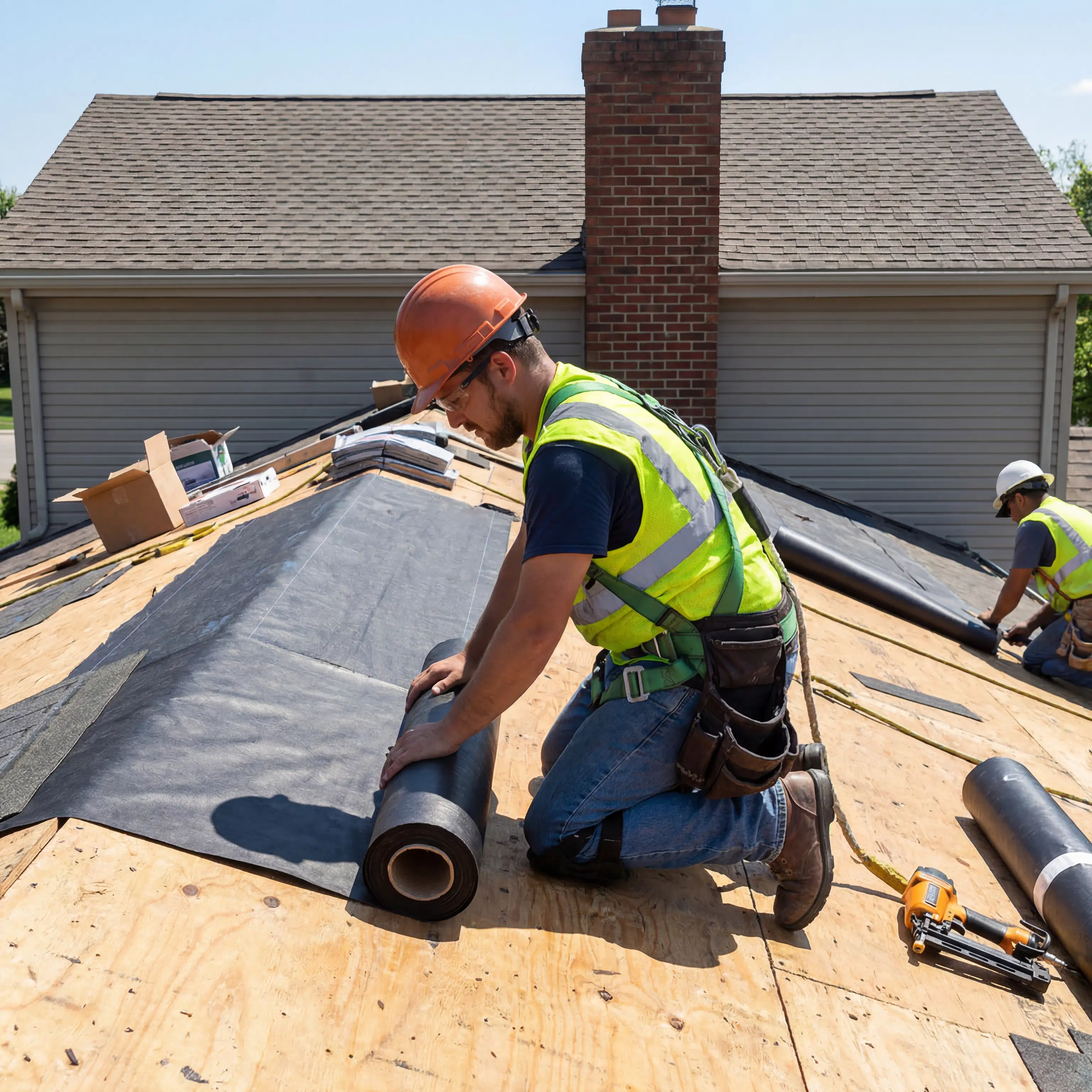
To avoid costly penalties or stop-work orders, you must never begin construction before receiving official written approval. A quality local contractor will help you compile the necessary documentation to ensure your application is approved the first time. A standard packet often includes material samples, color swatches, a plot plan, detailed project timelines, and proof of active licensing, bonding, and insurance.
Furthermore, modern technology is making this process easier than ever. The adoption of drone-based thermal imaging allows contractors to safely and accurately assess damage and provide incredibly precise, comprehensive inspection reports to your board without invasive physical climbs. This level of professional documentation leaves little room for committee pushback, speeding up the review process and keeping your project on track.
Partner with Local Experts for a Seamless Experience
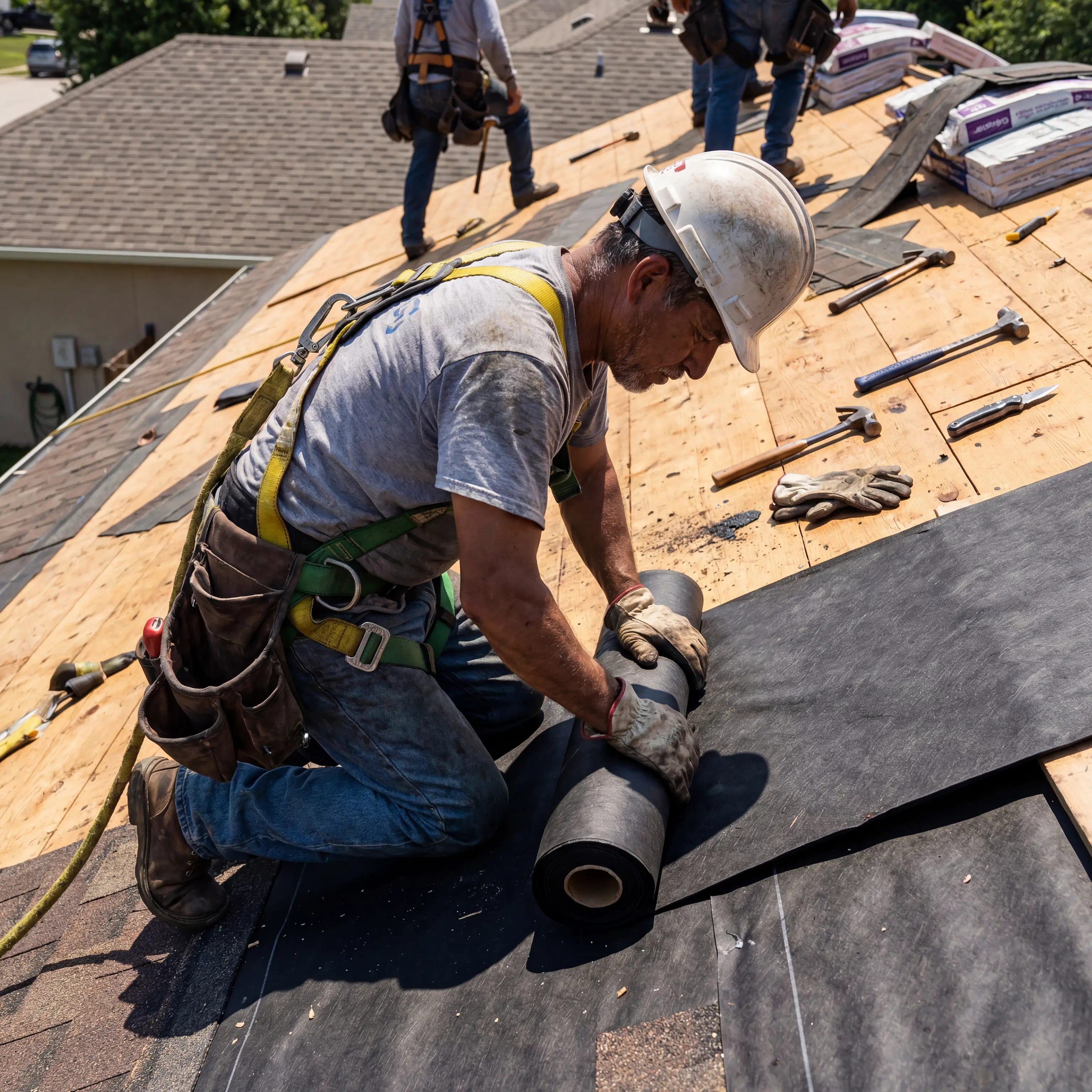
Dealing with municipal permitting delays and HOA red tape can be overwhelming, but you do not have to tackle it alone. From navigating the initial paperwork to ensuring your chosen materials are engineered to withstand the harshest temperatures, having a knowledgeable contractor by your side makes all the difference.
At Sunset Valley Roofing, we understand the specific nuances of working within strict community guidelines across Phoenix and the surrounding suburbs. We know that a major home improvement project is a significant capital expense, which is why we provide transparent, honest pricing alongside flexible financing options to help you manage the costs once your project is approved.
We provide comprehensive roof installation & replacement services tailored to both your neighborhood's unique aesthetic requirements and the demanding local climate. Do not let compliance worries delay your home's protection. Reach out to our team today to schedule an inspection, and let us help you build a durable, beautiful roof that keeps your family safe and your homeowners association happy.